Loading your view
The page is gathering the latest information.
The page is gathering the latest information.
Inner and Outer Doctrine
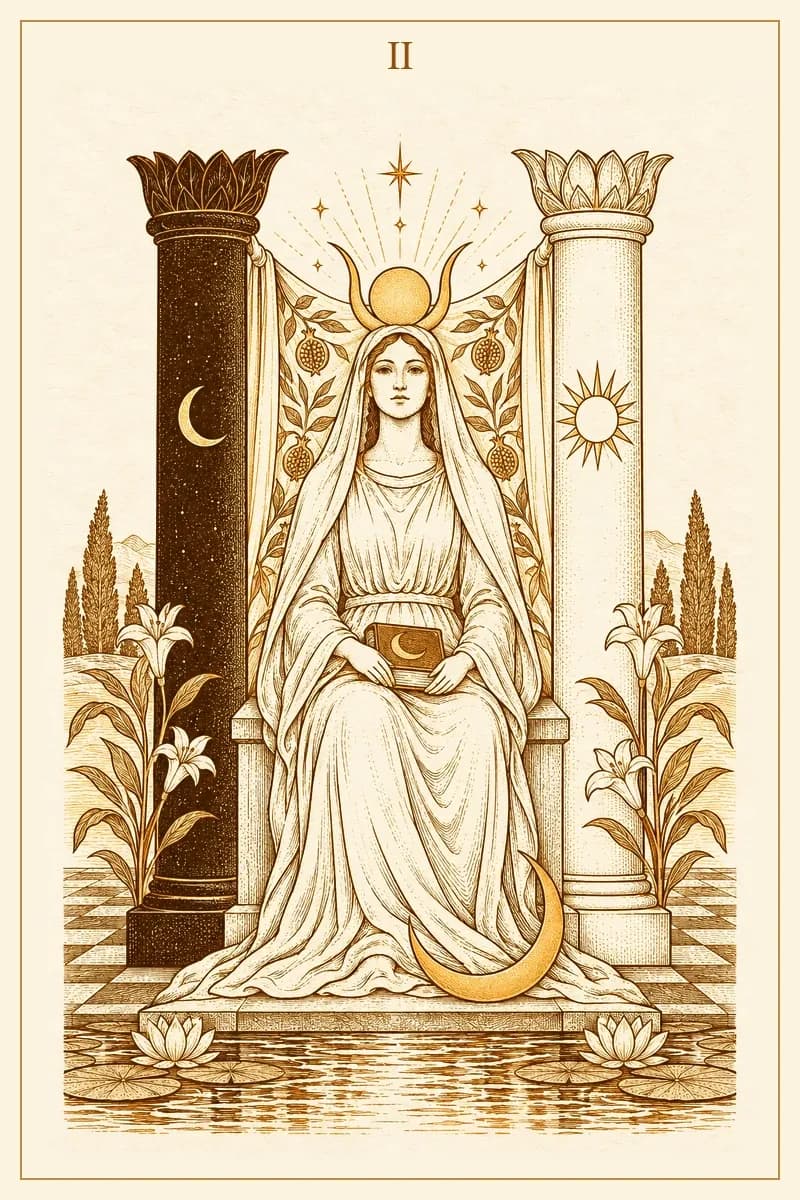
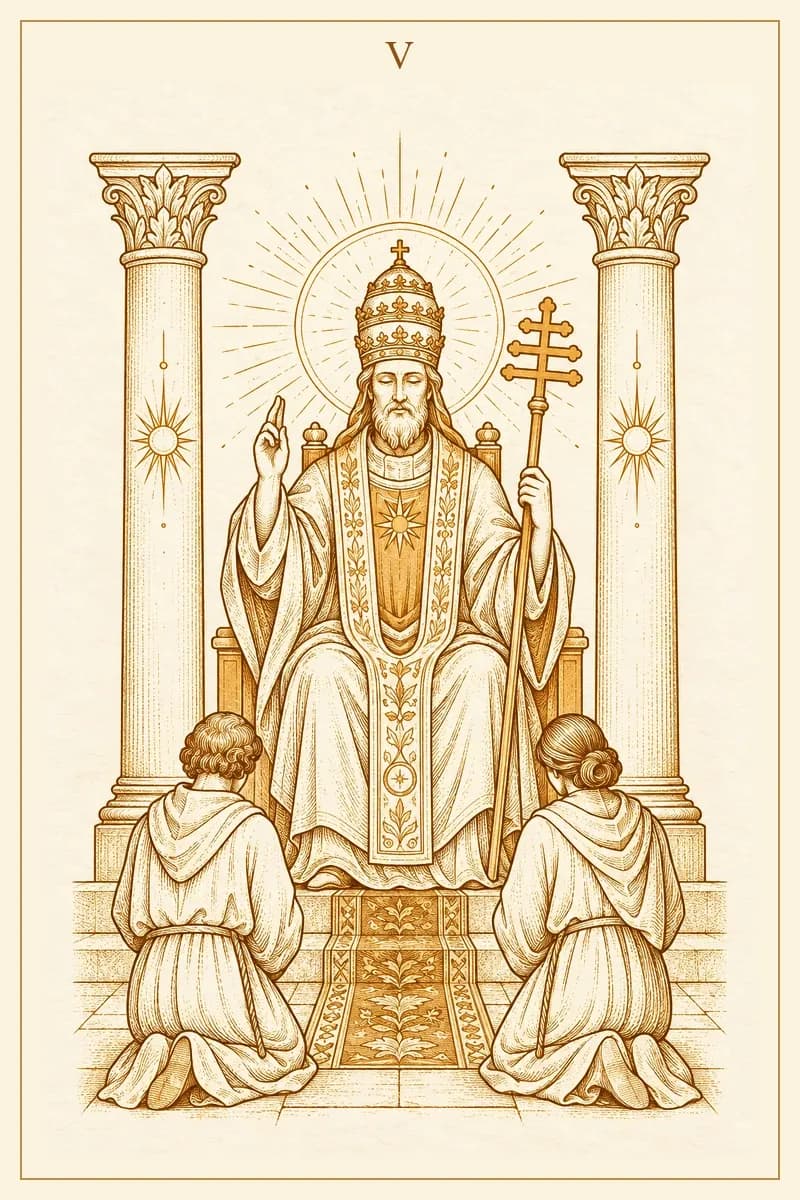
Every great actor begins by learning the tradition — the techniques, the vocabulary, the classical forms accumulated across centuries of practice. Then comes the moment the good ones decide whether they will be technicians of the tradition or artists who have been transformed by it. The High Priestess and the Hierophant occupy this exact drama: the tension between what the institution teaches and what the individual comes to know beyond the teaching.
The Hierophant is the keeper of collective wisdom — the priest, the institution, the tradition that transmits meaning across generations. He represents what is externally sanctioned, communally practiced, available to all through the established forms. The High Priestess carries what has no institution: the direct inner knowing that doesn't require transmission because it's already present in anyone willing to sit still enough to find it. Both are concerned with ultimate things. They reach them by opposite methods.
When they appear together, the question isn't which one is right. It's how to hold both without canceling either.
The Hierophant provides the container — the practice, the form, the community within which depth becomes possible. Without container, the High Priestess's knowing becomes unmoored, claimed as uniquely personal when it is in fact universally human. But the container without the inner knowing produces compliance without transformation: people who follow the forms correctly and feel nothing. The tension is between received wisdom and direct experience, between the map and the territory it claims to describe.
This combination in relationships can describe the tension between a person who values established forms — vows, traditions, social recognition — and a person who trusts what they feel over what is sanctioned. Both are trying to honor real things. The Hierophant needs the relationship to exist in a form that the community recognizes. The High Priestess needs it to exist in a quality of genuine depth, regardless of form. The challenge is honoring both needs rather than dismissing either as less valid.
In professional contexts, this pairing appears when someone is navigating the space between institutional expectations and personal conviction. The lawyer who has learned all the forms and knows when a specific application of them would violate the spirit they were built to protect. The religious professional whose inner life has taken them somewhere the institution's official doctrine doesn't map. The teacher whose curriculum has been mandated but whose understanding of the students in front of them requires something the curriculum didn't account for.
The Hierophant's shadow is authority that mistakes its form for its essence — religion that has lost the divine, education that has lost learning, therapy that has lost presence. The High Priestess's shadow is the spiritual individualism that dismisses all tradition as constraint, missing the genuine wisdom accumulated across millennia of collective practice. Together in shadow: someone who knows better than everyone, including every institution, and a system that enforces its own irrelevance while resisting examination. Both forms of certainty are insulated from correction.
Keep or share this combination reference
Continue through published pairings that share The High Priestess or The Hierophant.
Innocent Knowing
authority meets doctrine
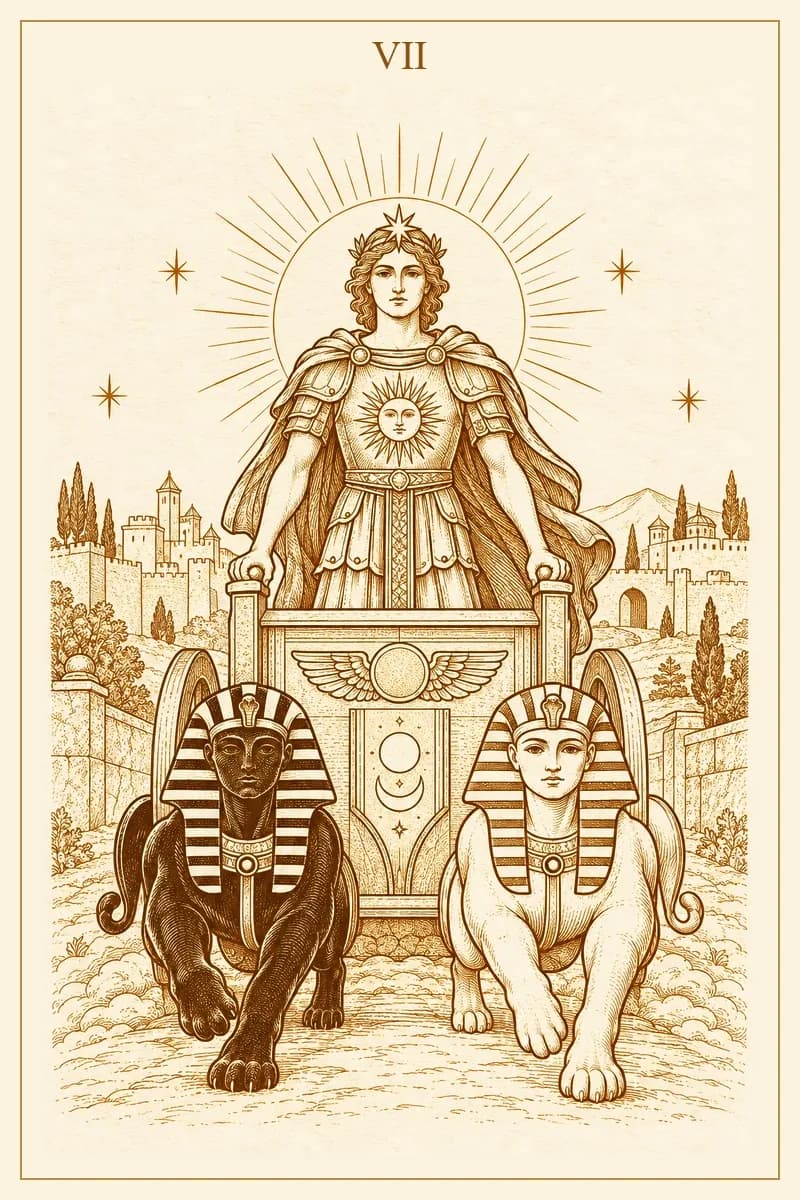
Directed Intuition
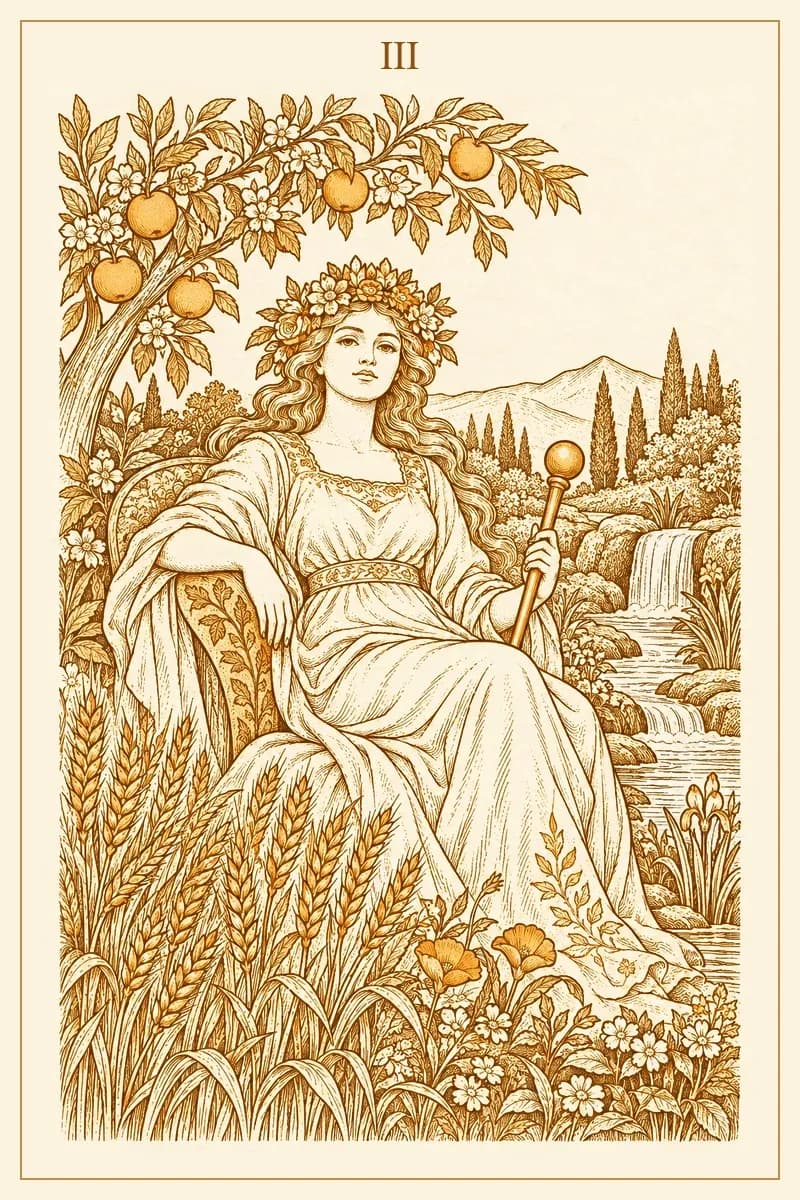
abundance versus doctrine
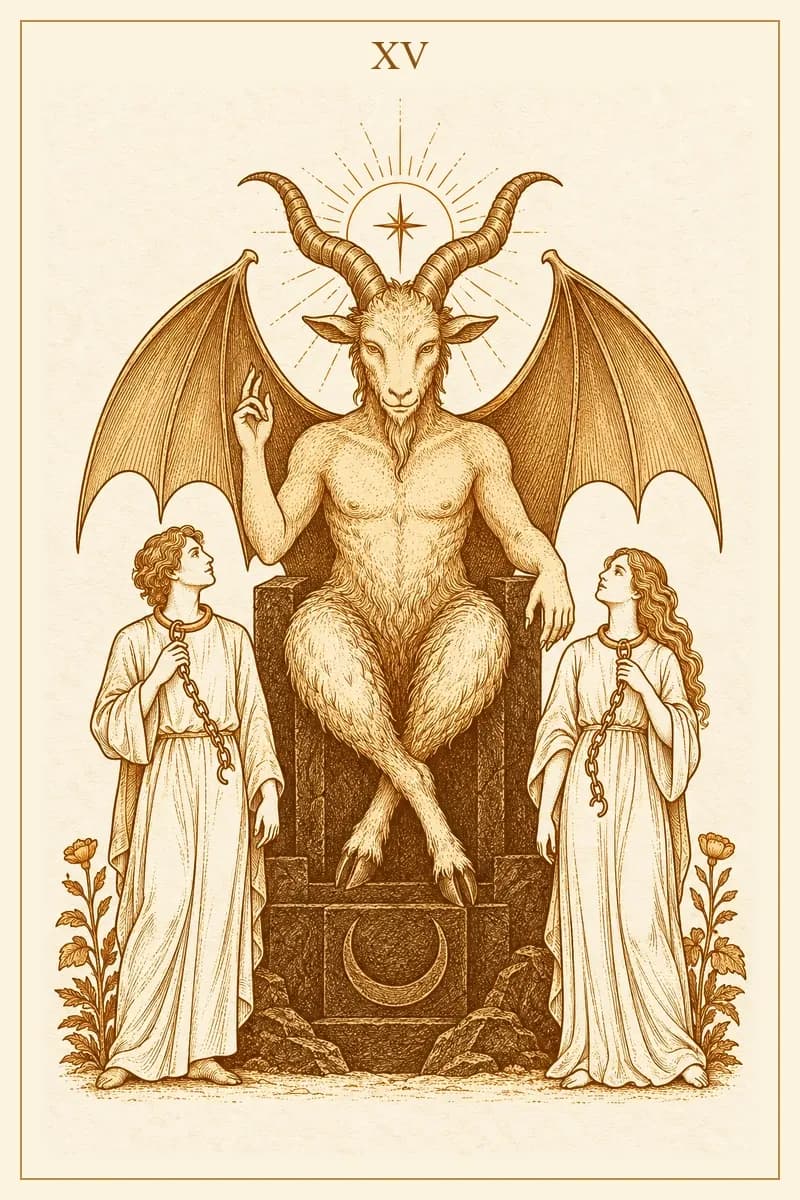
shadow knowledge
Sacred Rebellion
✦ Bring it to the cards ✦
Use this pairing as a starting point, then let a spread listen to the situation that is actually yours.
Begin a contextual reading