Loading your view
The page is gathering the latest information.
The page is gathering the latest information.
compassionate authority
She's been in the theater for forty years. She knows where the lights need to be, how long a silence should last before it becomes uncomfortable, which emotional beats an audience will never forgive you for rushing. She's also watched a hundred young actors walk onstage with something raw and uncontainable that no amount of training could produce—and she's learned, over the decades, that the job isn't to smooth it out. It's to give it a stage.
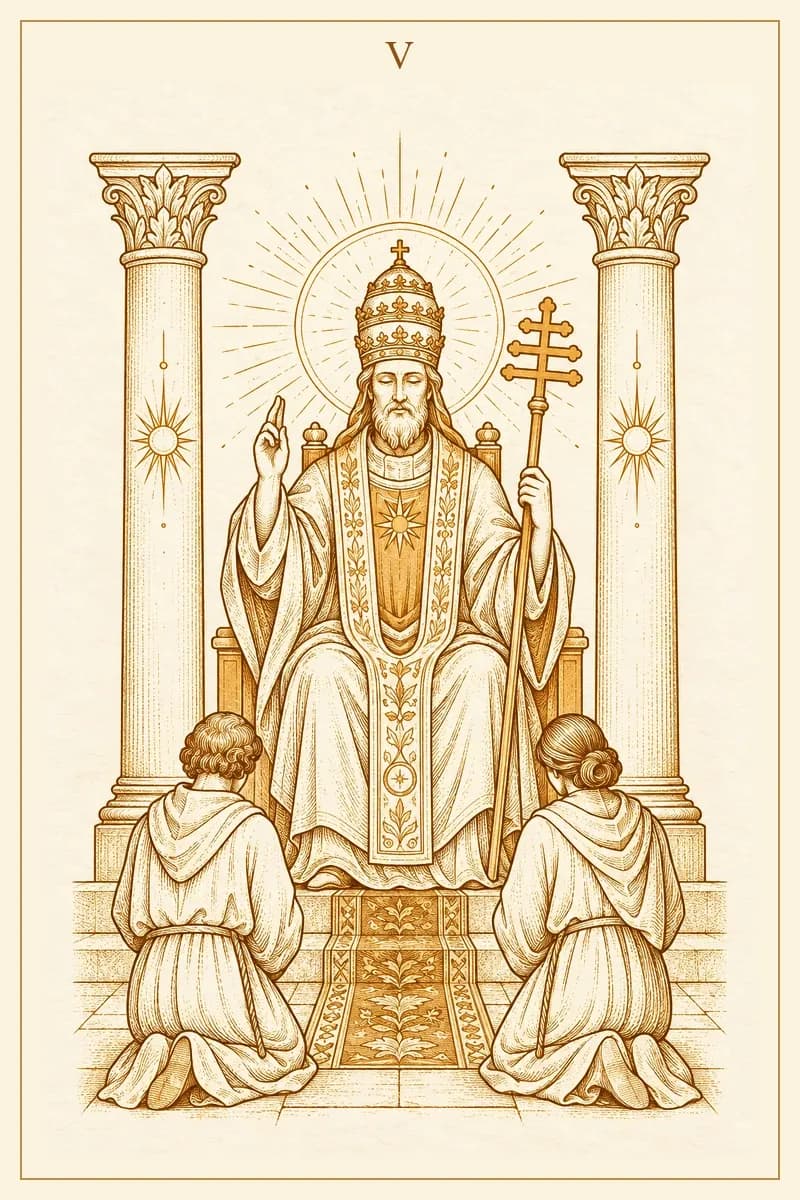
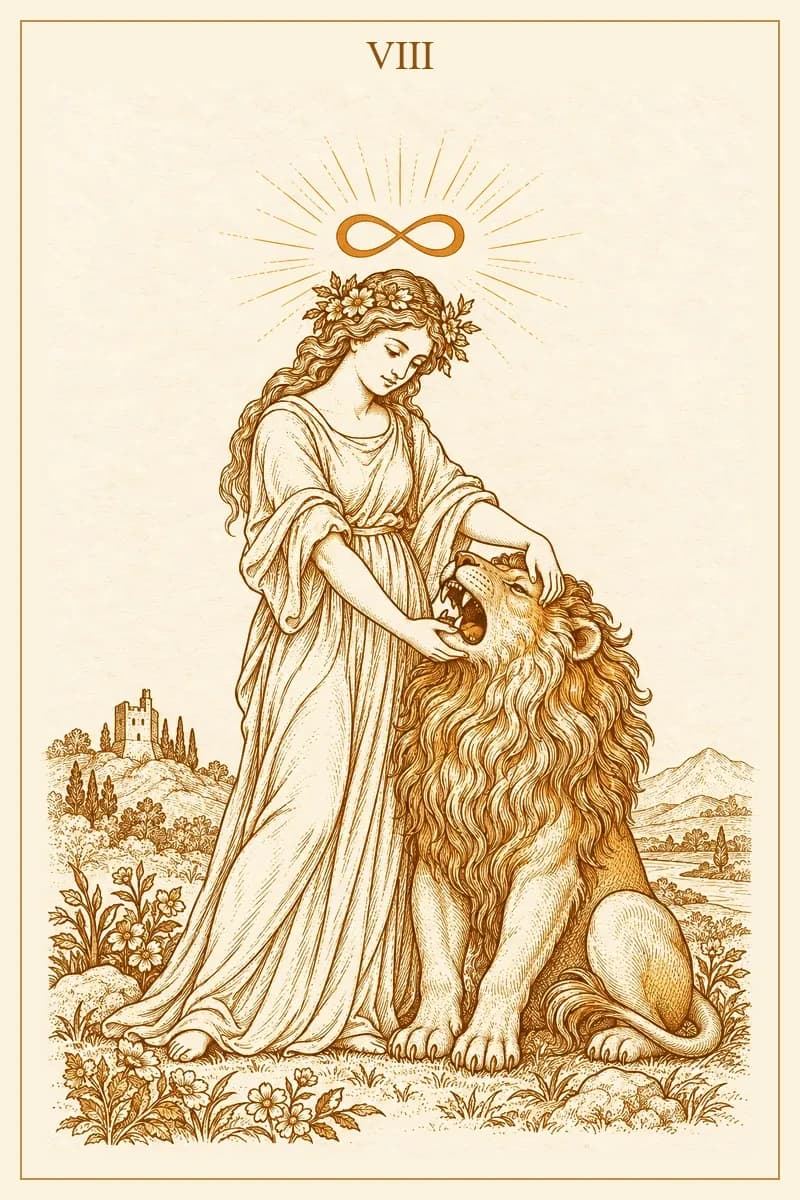
That is the relationship The Hierophant and Strength are working out when they appear together. One holds the container. One holds the fire. Neither is sufficient alone. The Hierophant without Strength becomes a bureaucracy of the soul—correct in form, empty of aliveness. Strength without The Hierophant becomes an emotion that eats itself, tremendous and undirected.
What this pairing asks is not which energy should dominate, but how they learn to work in concert. It's a surprisingly intimate negotiation: between the wisdom you've received from others and the knowing that lives in your body, between the map and the territory.
The Hierophant represents inherited systems—religion, tradition, morality, the accumulated knowledge passed down through institutions. He asks you to trust what has been tested by time. Strength, in the traditional image, depicts a figure gently opening a lion's mouth—not through force, but through a quiet, unshakable confidence that comes from within.
The tension here is subtle. Both cards deal in authority, but they source it differently. The Hierophant's authority is external, conferred, and institutional. Strength's authority is internal, embodied, and personal. When they align, you get someone who can hold a room because they've done the inner work *and* because they understand the broader context. When they conflict, you get the performance of virtue rather than the practice of it.
This combination can expose the gap between what someone professes to believe and how they actually behave under pressure. The Hierophant can be impeccably principled on paper. Strength will find out.
In love, this pairing often indicates a relationship where depth of feeling is wrestling with convention. One person—or both—may be experiencing an emotion that doesn't fit neatly into the expected narrative. The Hierophant asks: is this appropriate? Does this fit the structure? Strength answers: it's real, and real things don't always schedule themselves politely.
This isn't necessarily a crisis. It can be a mature reckoning: realizing that the relationship has grown into something the original frame no longer holds, and that something needs to expand or be renegotiated. Not abandoned—*expanded*.
For singles, this combination may appear when attraction is complicated by background, belief, or social expectation. The question isn't whether the feeling is real. The question is whether you're willing to have a real conversation about the complexity rather than pretending it doesn't exist.
Professionally, The Hierophant and Strength together describe someone navigating a high-stakes environment where the official rules and the human reality are in tension. This might be a workplace where the written values don't match the lived culture, or a leadership role where doing the right thing requires more courage than protocol.
Strength in this context is not about aggression—it's about the quiet refusal to abandon your own judgment when institutional pressure pushes in a different direction. The Hierophant reminds you that institutions are also made of wisdom, of accumulated lessons about what actually works. The art is knowing when to draw on that wisdom and when to trust your own read of the room.
If you're in a mentorship dynamic—as teacher or student—this pair signals something important is being transmitted. Not just information, but *approach*.
The shadow side of this combination is the weaponization of virtue. The Hierophant can become moralistic, using tradition and authority to suppress what is inconvenient or threatening. Strength, when it loses its gentleness, can become a different kind of domination—the certainty of one's own emotional truth used to override legitimate structure and accountability.
Together in shadow, these cards can describe someone who is convinced their spiritual or moral development gives them the right to set aside ordinary rules. The higher the claimed authority, the more important the accountability structures around it.
Keep or share this combination reference
Continue through published pairings that share The Hierophant or Strength.
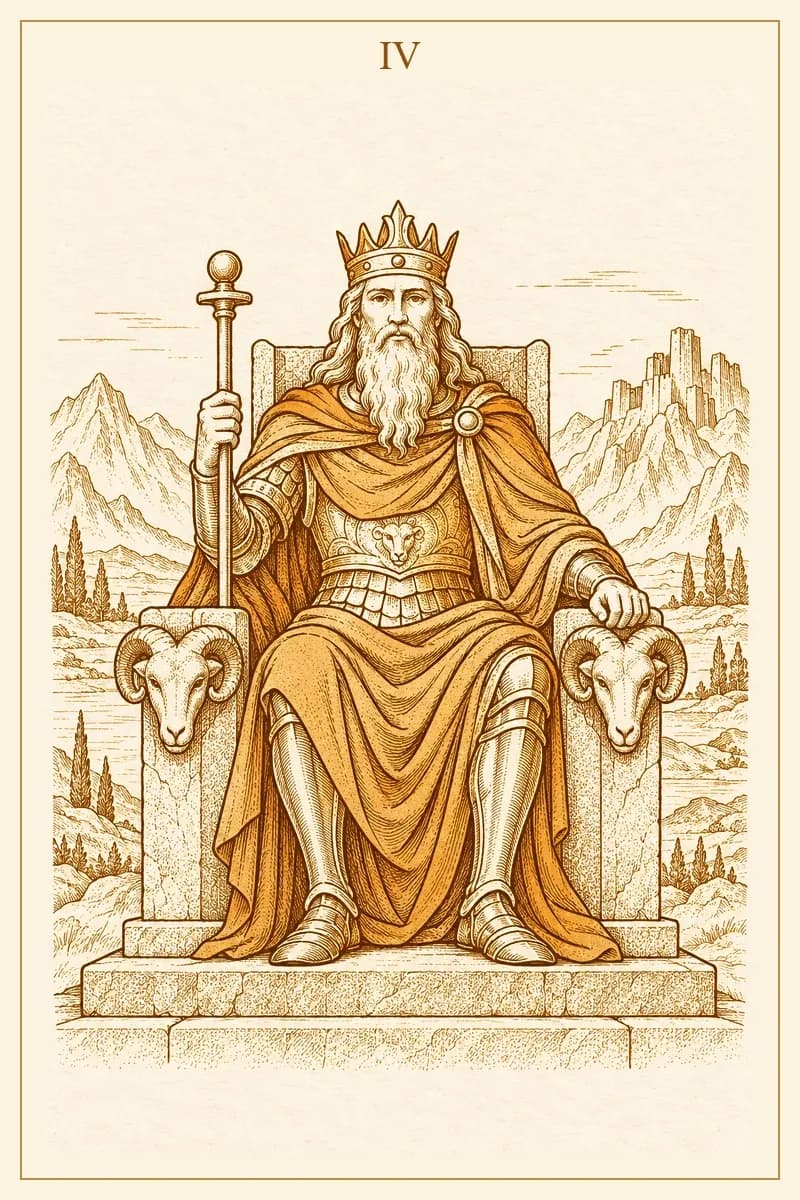
authority meets doctrine
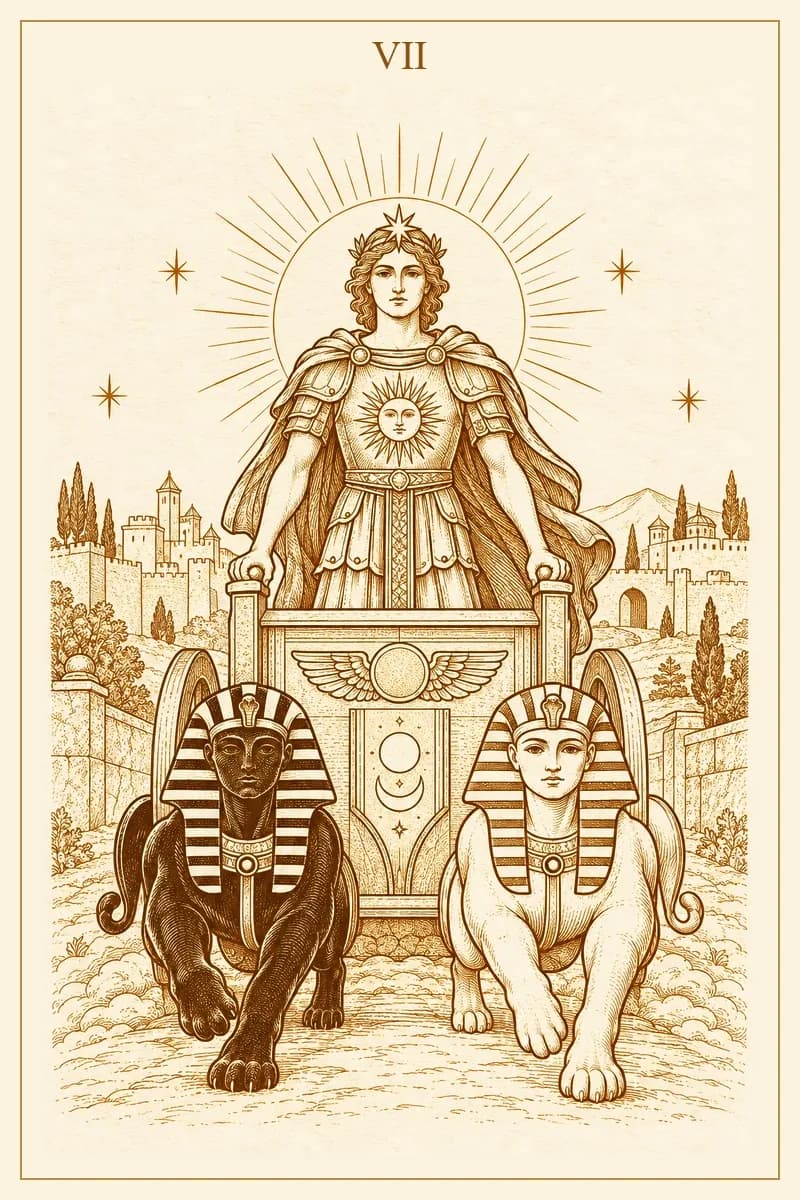
controlled fire
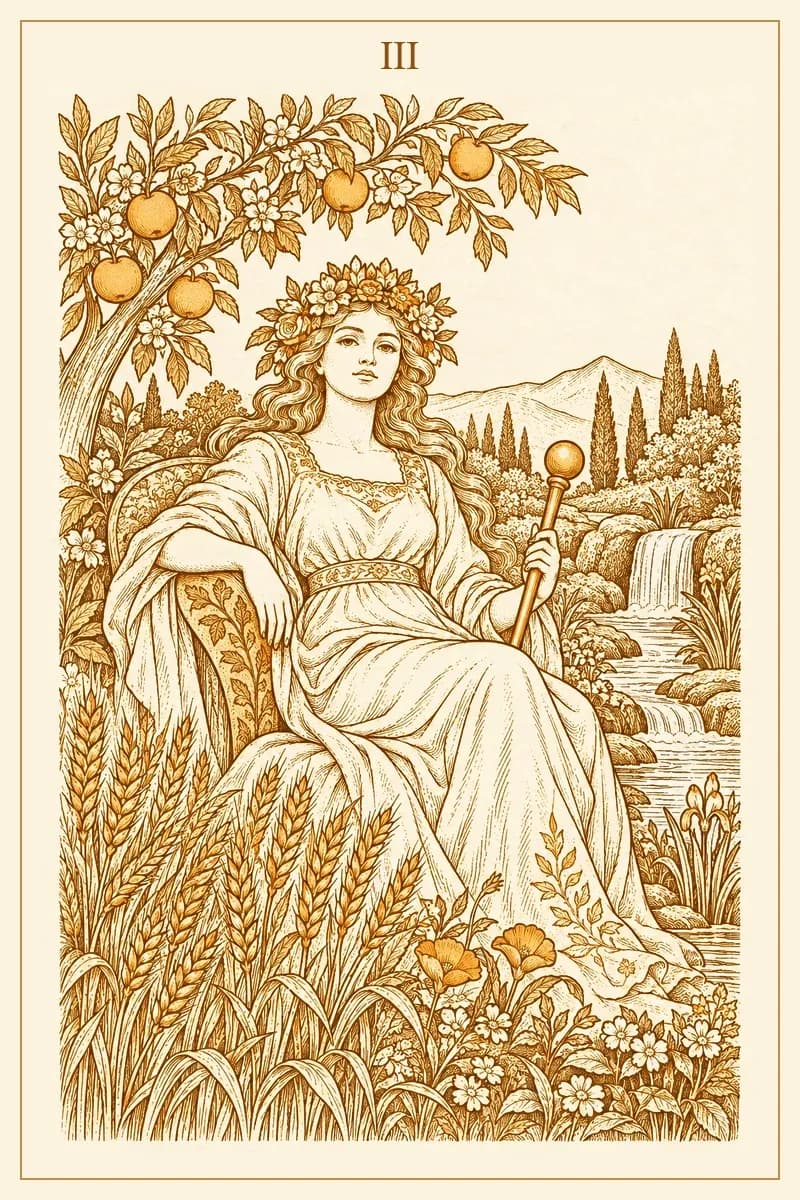
abundance versus doctrine
hard power vs soft power
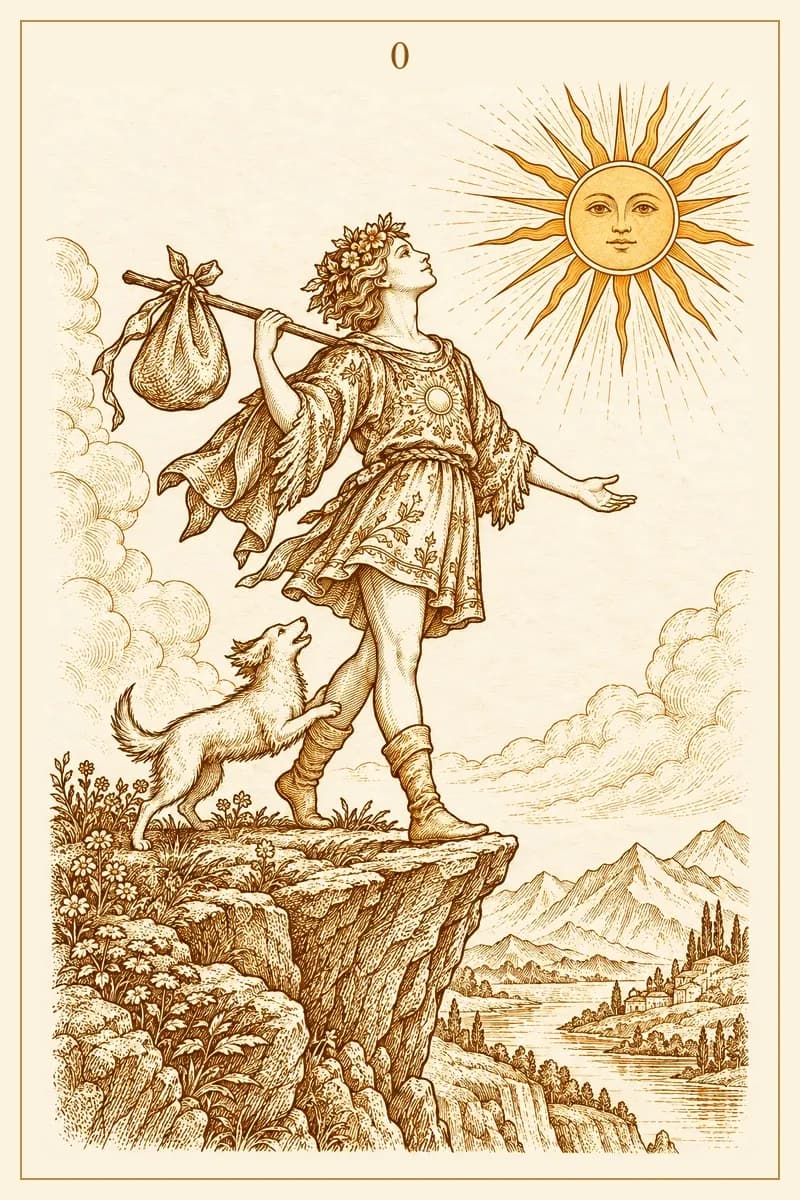
Sacred Rebellion
nurturing power
✦ Bring it to the cards ✦
Use this pairing as a starting point, then let a spread listen to the situation that is actually yours.
Begin a contextual reading