
Card Combination
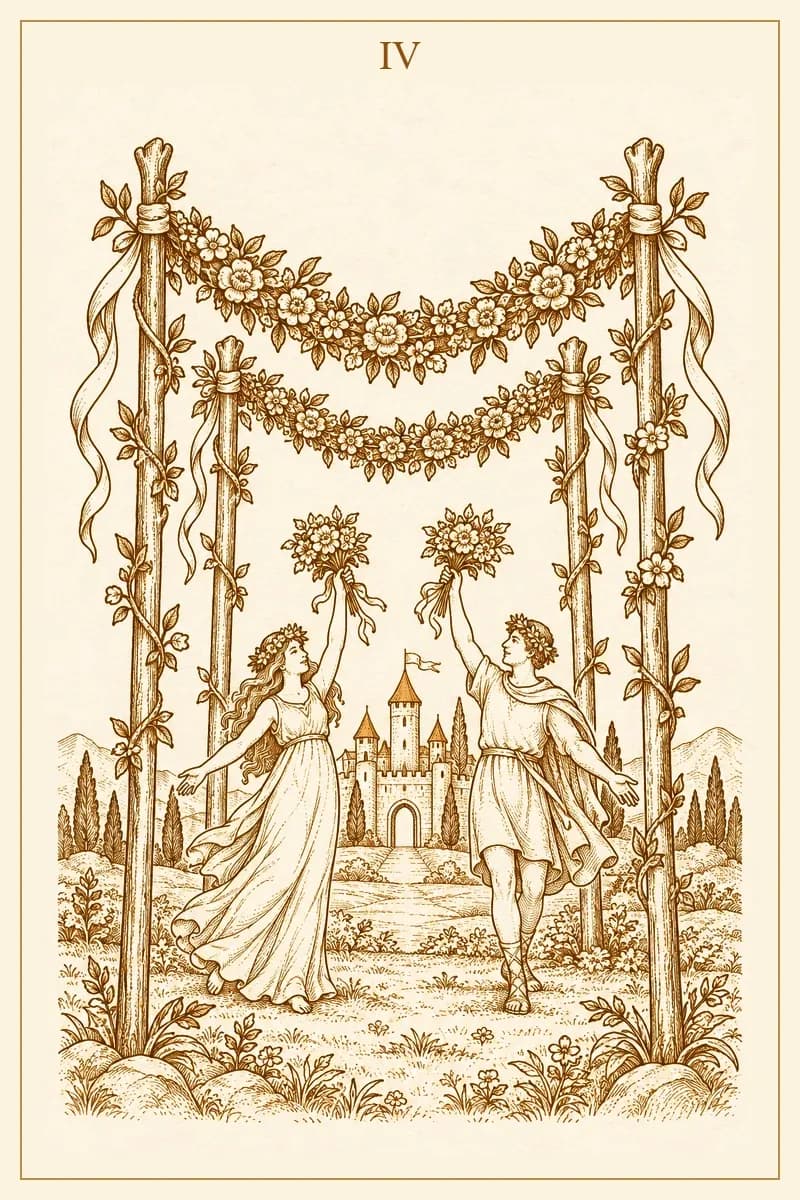
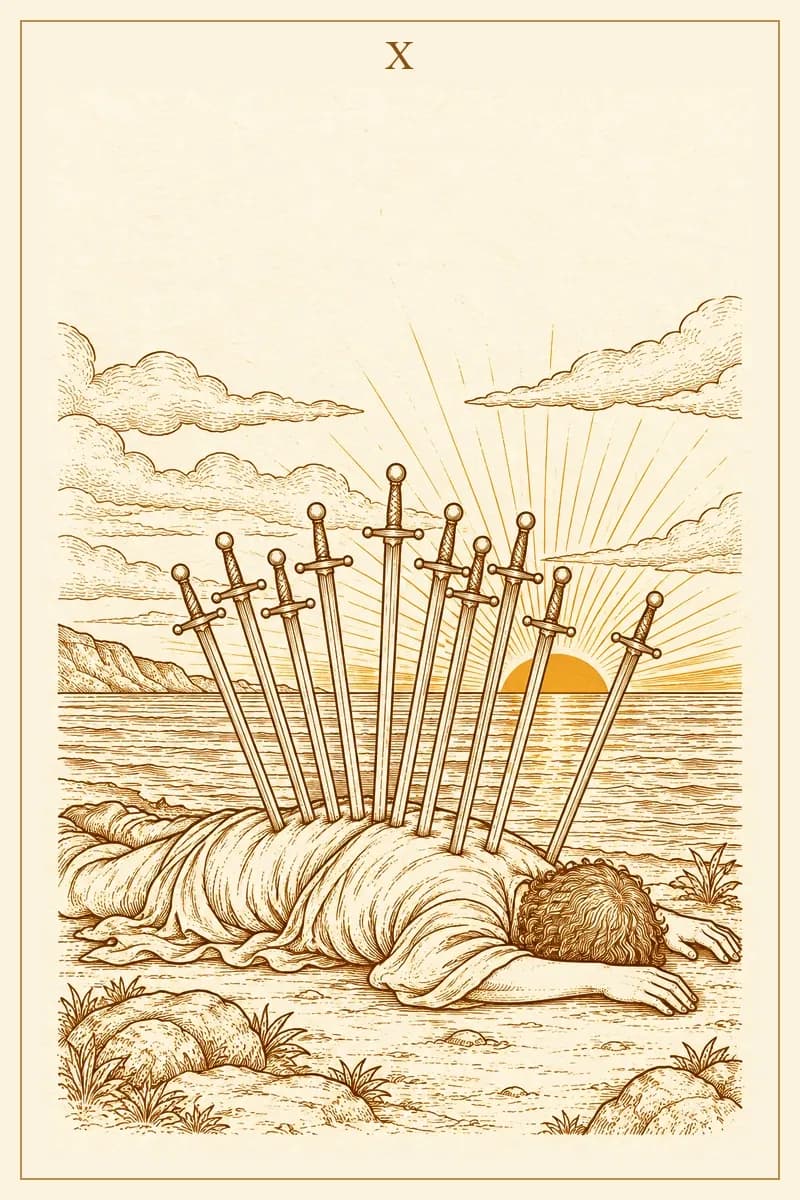
Four of Wands and Ten of Swords Combination: Celebration in the Ruins
Celebration emerging from total collapse
The curtain is already up when you arrive. Center stage, a body lies facedown with ten swords driven into its back — the final scene of a tragedy everyone knew was coming. The audience sits in stunned silence. Then, from the wings, stagehands begin carrying in garlands. Flowers. A canopy draped in bright fabric. They build a celebration set directly around the fallen figure, and a spotlight warms to gold. The orchestra shifts from minor to major without warning. Nobody told you this was a tragicomedy. Nobody told you you'd be laughing through tears by the final bow.
The Four of Wands and Ten of Swords share a stage that shouldn't work — and that's exactly why it does.
The Core Tension
Theater has a name for this: the reversal. Aristotle called it peripeteia — the moment when the action pivots from fortune to ruin, or from ruin to fortune. The Ten of Swords is the climax of the tragedy. The worst has happened. Every blade has landed. The character lies motionless under the weight of complete defeat.
The Four of Wands enters as a set change nobody expected. While the tragic hero still lies bleeding, the stage transforms into a space of gathering and warmth. Not because the pain didn't happen — the swords are still there, still visible — but because the play isn't over. There are acts beyond the death scene.
The tension is temporal. One card says "it's over." The other says "something is beginning." Both are telling the truth simultaneously, the way a final curtain call contains both the death of the character and the resurrection of the actor who played them. The performer who wept on stage is now smiling, still in costume, still bearing the marks of the role, but standing.
You are in the scene between collapse and celebration. The wounds are real. The garlands are also real.
Love & Relationships
In relationships, this pairing is the couple who builds something genuine from the wreckage of what came before. One or both partners have been through a devastating ending — a betrayal, a loss, a relationship that drove every sword into their back before the final curtain.
The Four of Wands doesn't erase that history. The scars are visible beneath the wedding clothes, the celebration decorations hung on walls that still show cracks. But the celebration is genuine precisely because the suffering was genuine. You don't throw a party for surviving unless the threat of not surviving was real.
If you're recovering from heartbreak, this combination says the stage is being reset. Not quickly. Not painlessly. But the crew is already building the next set around you, even while you're still lying in the wreckage of the last act.
If you're in a relationship that has survived something terrible, the Four of Wands invites you to celebrate the survival itself. Not to pretend the swords never fell. To honor the fact that you're both still standing on a stage that was designed for tragedy — and you rewrote the ending.
Career & Purpose
Professionally, this is the project that rises from the ashes of a spectacular failure. The product that launches successfully after its predecessor was pulled from the market. The team that bonds most deeply not over their victories but over the catastrophe they weathered together.
The Ten of Swords at work is unmistakable: the layoff, the failed launch, the client who walked, the public mistake that felt like career death. The Four of Wands says that what comes next isn't just recovery — it's a gathering. People rally. Structures form in the rubble. The company that nearly died throws its most meaningful holiday party the year it survived.
If you're in the aftermath of professional devastation, look for the garlands already being hung. Who showed up when things collapsed? What became possible only because the old structure fell? The best theater companies know that a bombed opening night, when handled with honesty and humility, creates a cast bond that polished success never could.
Shadow Side
The shadow of this combination is the performer who never leaves the death scene. Who lies center stage with ten swords in their back long after the crew has changed the set, the lights have shifted, and the audience is ready for the next act. They've made their suffering the performance. Their tragedy has become their identity, and the Four of Wands' celebration feels like a threat to the role they've perfected.
The opposite shadow exists too: the performer who leaps up too quickly, pulls out the swords with a grin, and starts celebrating before acknowledging what happened on stage. Toxic positivity as performance art. Garlands draped over open wounds. The party that exists to avoid the grief.
Both shadows refuse to let the play progress naturally from one act to the next.
Action Steps
- 1Name one thing that ended — fully, irreversibly — and one thing that is growing in the space it left. Write them side by side. Let them share the page without one canceling the other.
- 2Gather the people who were with you during the collapse. Not to rehash the pain but to acknowledge — together — that you survived it. A meal, a call, a simple message: "We made it through."
- 3Remove one sword. Identify a narrative about your worst moment that you're still carrying and consciously set it down. Not the memory — the story you've built around it.
Related Pairings
Continue through published pairings that share Four of Wands or Ten of Swords.
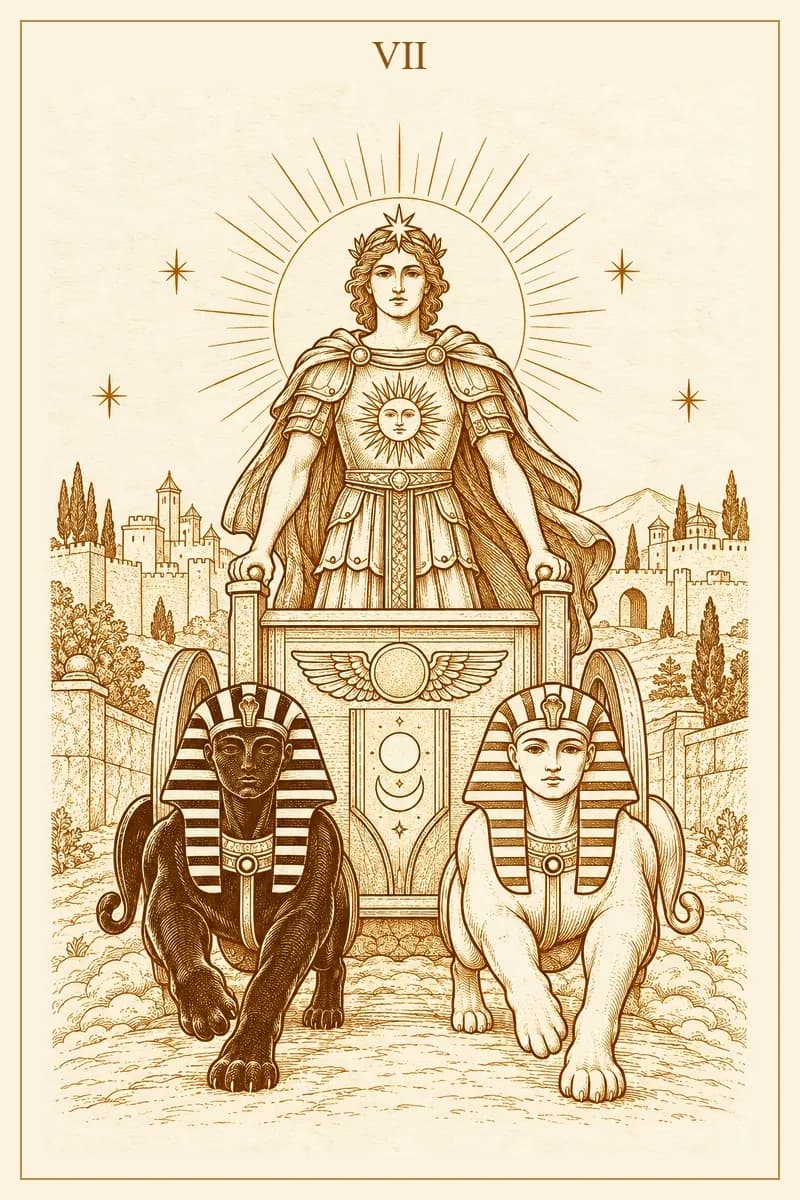
triumphant arrival
Meaning of The Chariot and Four of Wands Combination: Victory Comes Home
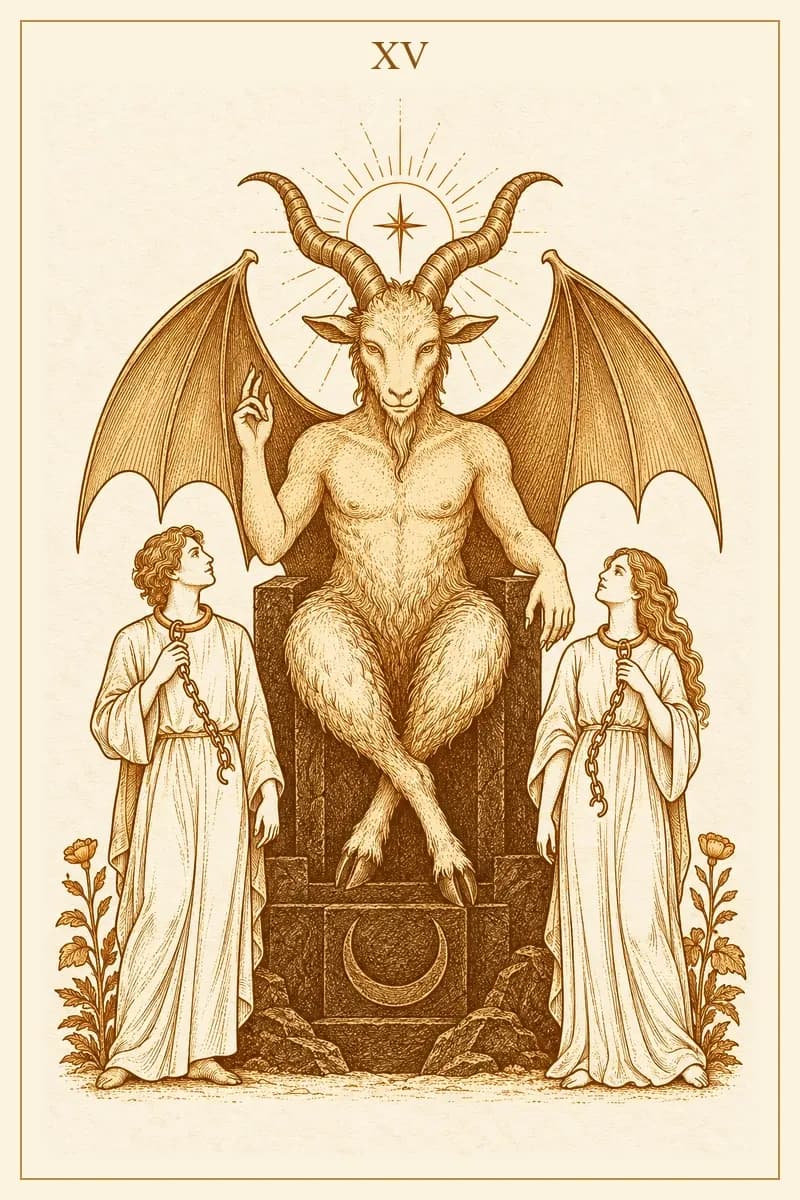
Gilded Captivity
Meaning of The Devil and Four of Wands Combination: Gilded Cage
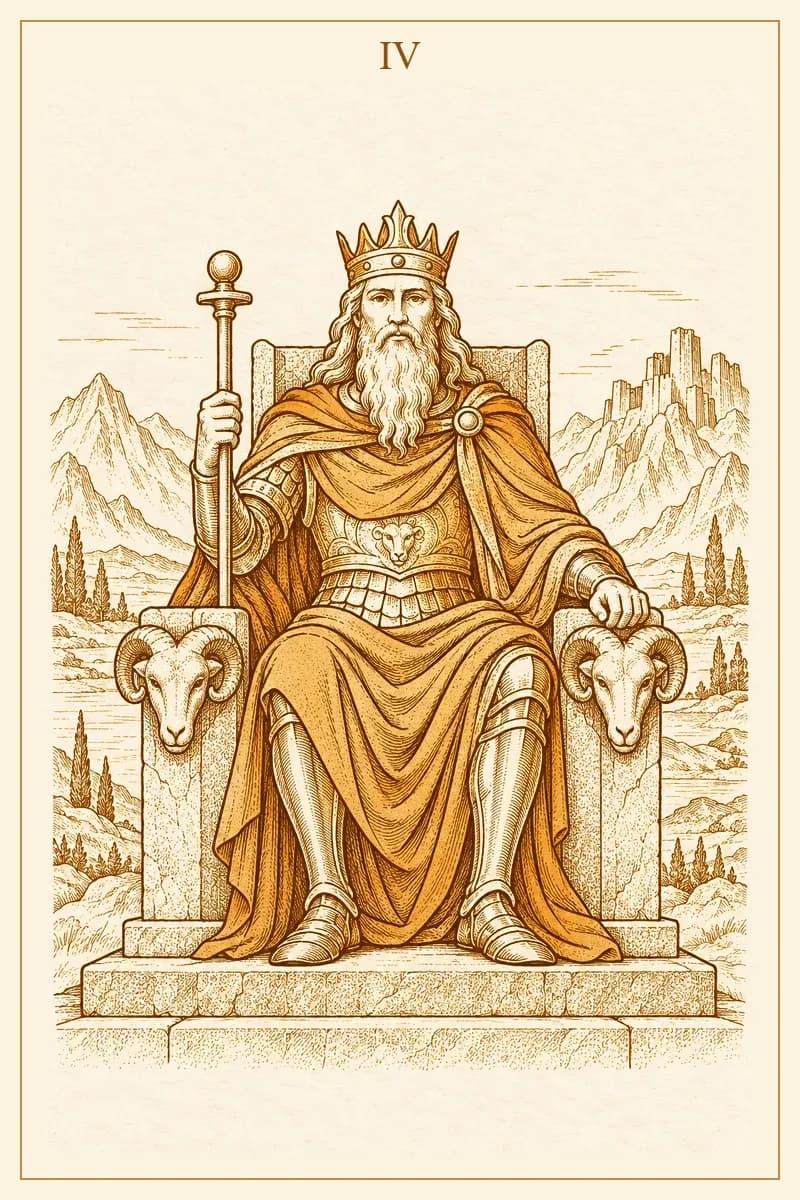
authority and celebration
Meaning of The Emperor and Four of Wands: Authority Celebrates Achievement
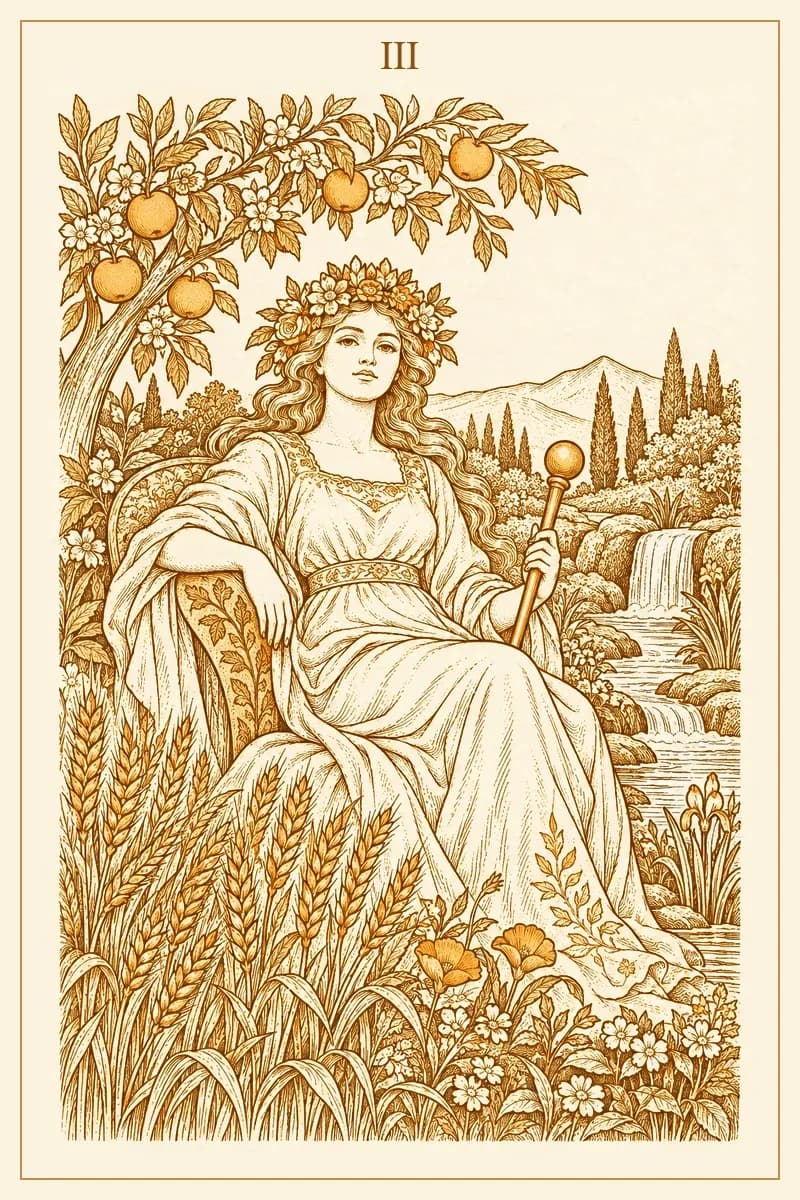
Celebration and harvest
Meaning of The Empress and Four of Wands: Celebrate What Has Been Made
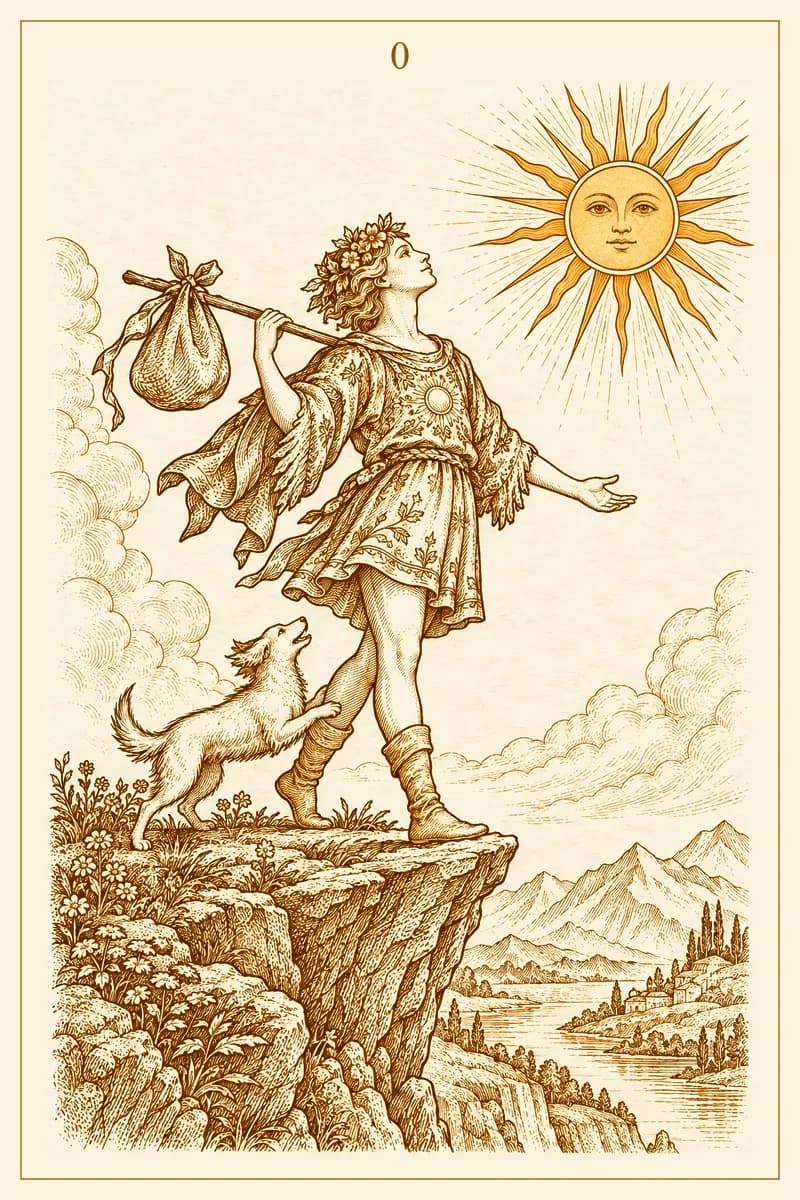
unplanned belonging
Meaning of The Fool and Four of Wands: Arriving Unannounced
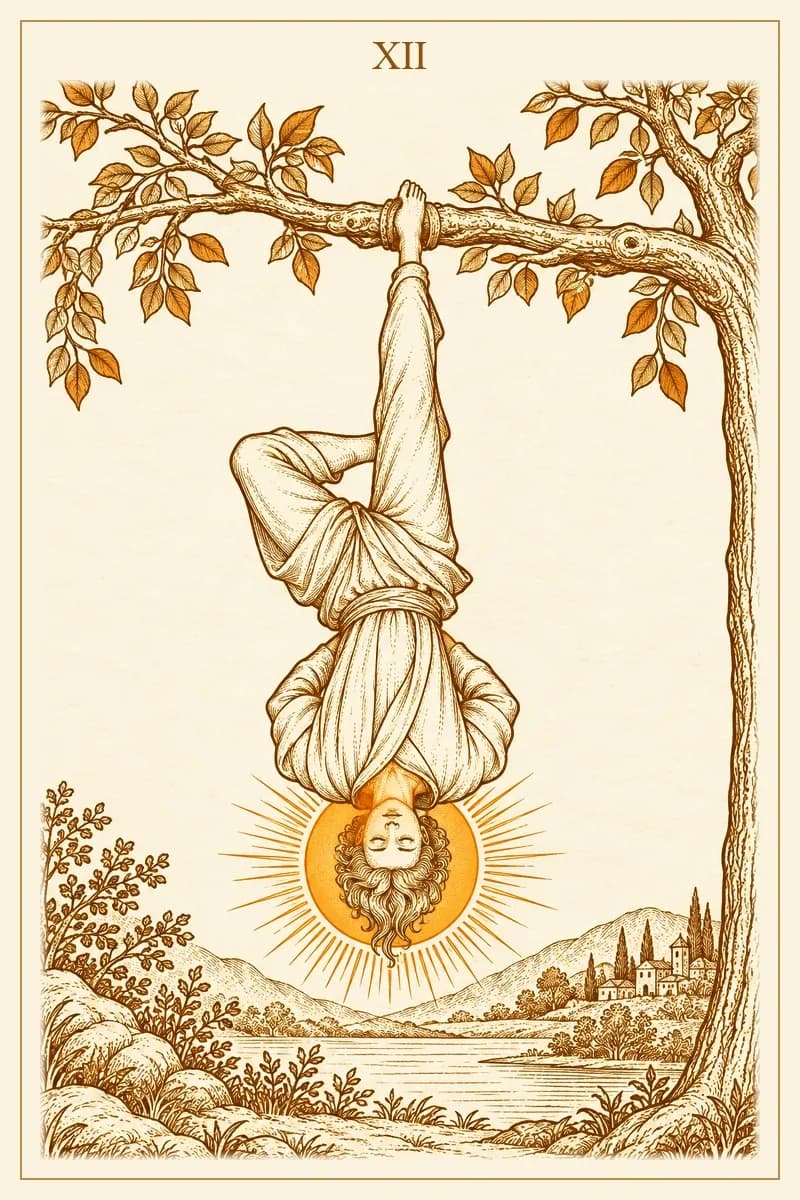
suspension amid celebration
Meaning of The Hanged Man and Four of Wands Combination: The Suspended Threshold
✦ Bring it to the cards ✦
Bring Four of Wands and Ten of Swords into your own reading
Use this pairing as a starting point, then let a spread listen to the situation that is actually yours.
Begin a contextual reading