Loading your view
The page is gathering the latest information.
The page is gathering the latest information.
Freedom Demands Reckoning
You're already three steps past the line when you notice there was one. That's not always recklessness—sometimes it's exactly how the most honest decisions get made. But Justice isn't interested in your process. It's interested in what happened.
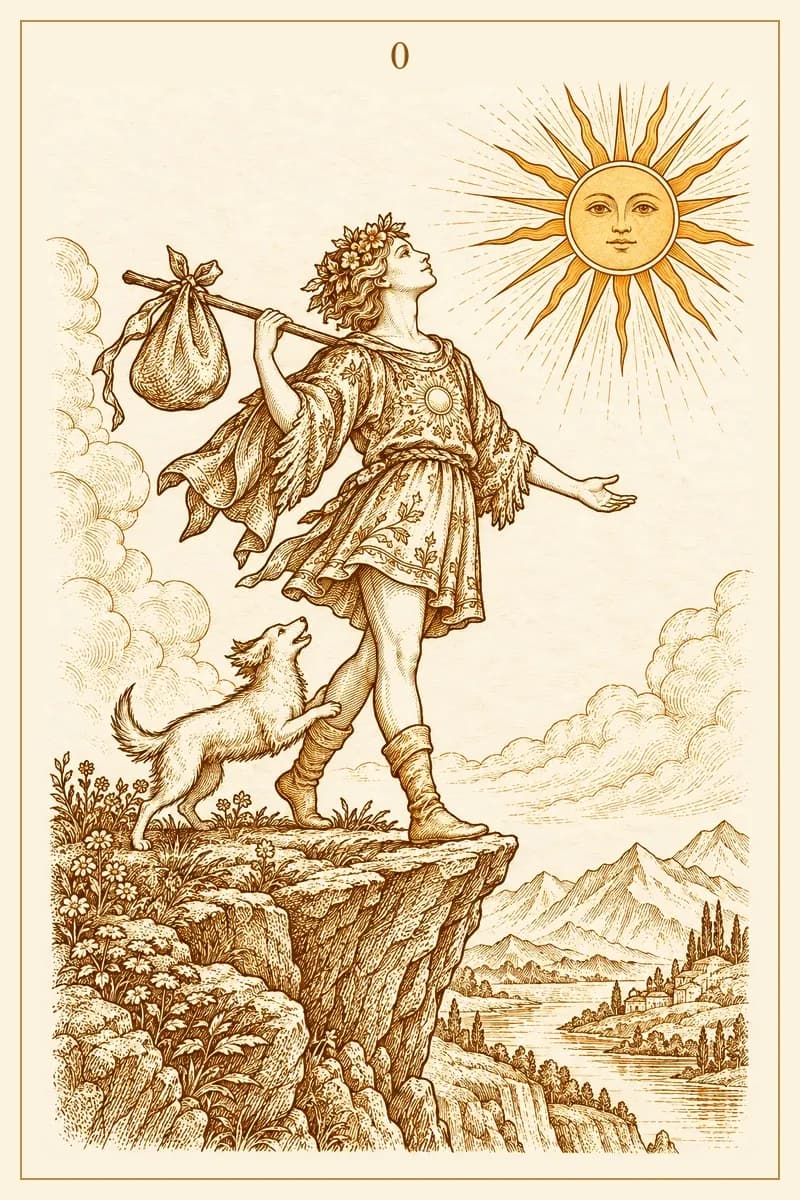
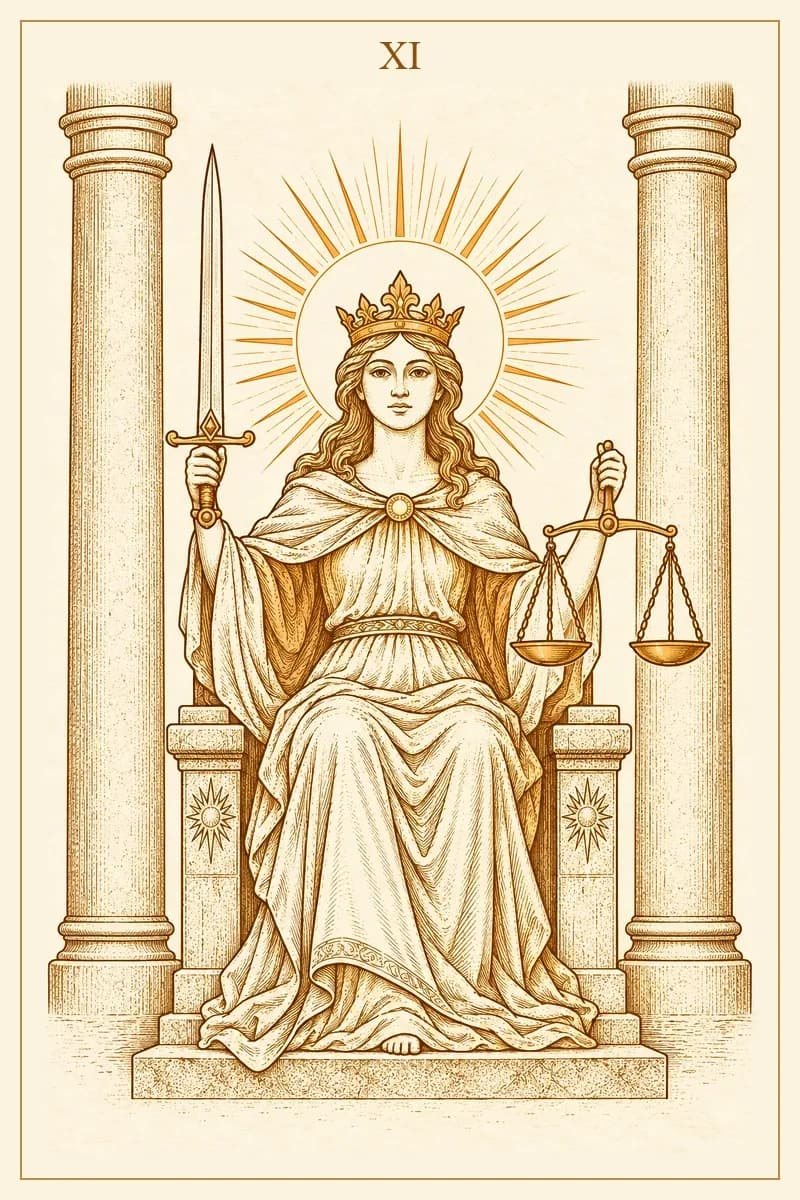
The Fool doesn't read fine print. He steps off the cliff with a flower in his hand and a dog at his heels, trusting—correctly or not—that the air will hold. Justice holds a sword and a scale. She has read the fine print. She wrote it. When these two meet in a reading, a very specific question is being asked: what do you owe the situation you wandered into?
This pairing doesn't punish the leap. It insists the leap be accounted for.
Think of it as a diagnostic review. The Fool is the patient who skipped the appointments, ignored the symptoms, and showed up only when things got serious. Justice is the physician who has the labs back and won't soften the findings. The prognosis isn't cruel—it's clinical. This is what's true. This is what it costs. Now, what do you want to do with that information?
The tension lives in accountability. The Fool moves freely because he doesn't count costs; the assumption is that counting them would have stopped him, and stopping him would have been wrong. Justice counters: freedom without accounting isn't freedom—it's credit you're running up. The sword in her hand isn't punishment. It's precision.
In relationships, this pairing surfaces at the pivot: the moment where something that felt electric and spontaneous now requires you to decide what you actually stand for.
The Fool brought openness to this connection—wide, genuine, unguarded. Justice wants to know whether that openness was real freedom or just the absence of a plan. The gap between loving freely and loving irresponsibly is measured in what you do when things get complicated and someone needs you to be consistent.
The shadow is easy to miss because The Fool is so appealing. Charm buys latitude; people forgive a lot in someone who seems genuinely enthusiastic about them. Justice doesn't process charm. If you've been coasting on warmth while someone else quietly carries more than their share, this combination is the audit you've been scheduling around.
Professionally, The Fool and Justice together mark the moment a bold move needs justification. You took the leap—launched the project, made the pitch, quit the job without a complete plan. That was probably right. The question now is whether you can defend it in terms that others can evaluate.
The sabotage mechanism: "I'll figure it out as I go" meets a context that requires documentation, precedent, and process. Being genuinely right isn't sufficient in organizations that run on accountability structures. The Fool's gift is initiative; his liability is the paper trail he didn't leave. Justice asks for the paper trail. Not vindictively. Structurally.
The lie this combination enables: *I meant well, so the outcome doesn't fully count against me.* Intentions matter to The Fool. They do not appear on Justice's scale. A decision made in ignorance still produces consequences, and Justice traces those consequences back to their source with the same steady hand it uses for deliberate choices.
The deeper shadow is self-exemption through permanent innocence. The Fool's naivety is charming at the beginning; over time, it can calcify into a refusal to become accountable—a sustained claim on "I didn't know" that exempts someone from the adult work of knowing. Justice removes that exemption. Without drama. Completely.
Keep or share this combination reference
Continue through published pairings that share The Fool or Justice.

Reckless Momentum
earned victory
Innocence Meets Appetite
authority meets accountability
Structured Freedom
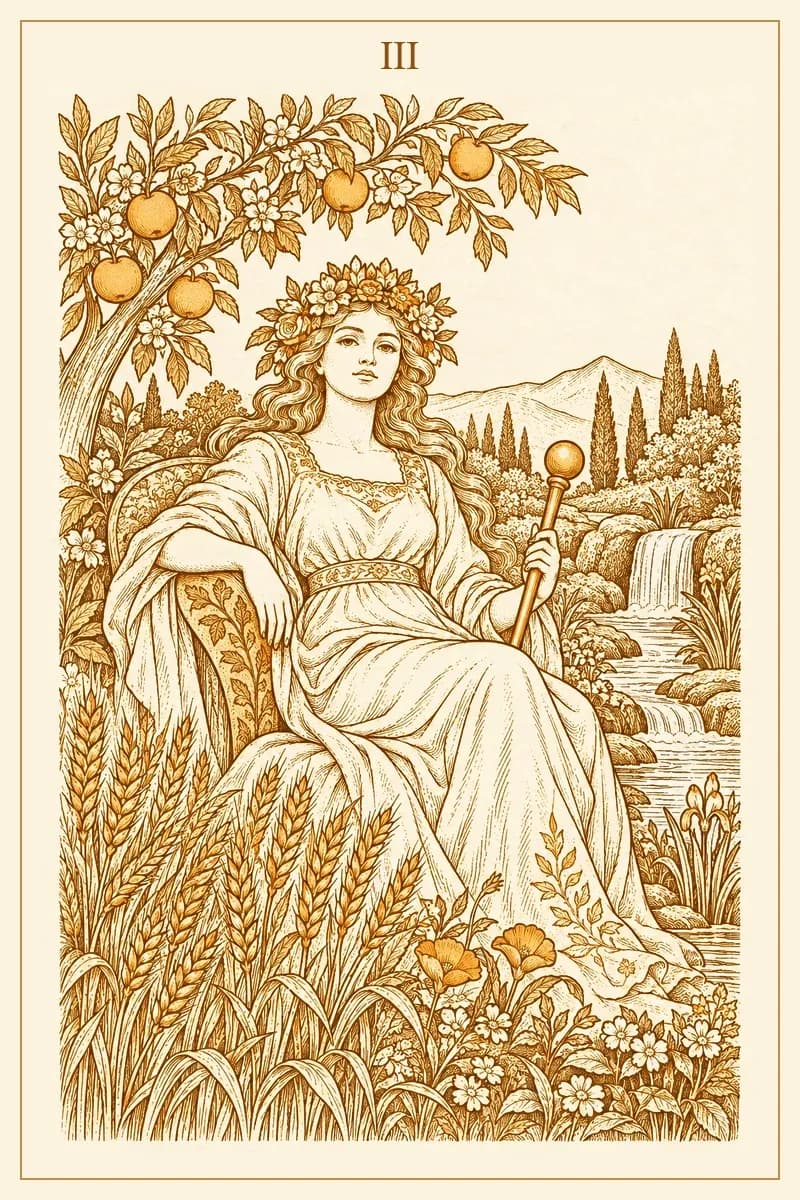
abundance under judgment
✦ Bring it to the cards ✦
Use this pairing as a starting point, then let a spread listen to the situation that is actually yours.
Begin a contextual reading