
Card Combination
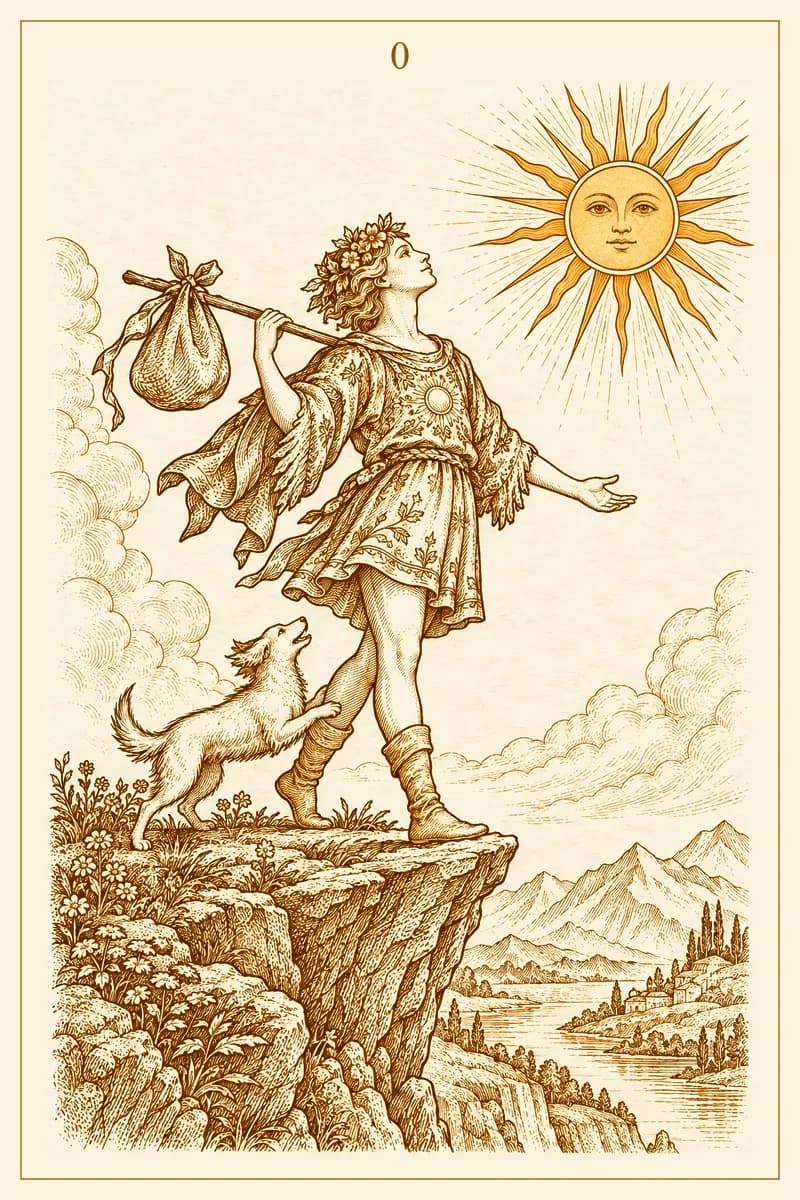

Meaning of The Fool and Ace of Pentacles Combination: The Apprentice With No Blueprint
Untrained craftsmanship
There is a particular kind of apprentice that every master mechanic dreads and secretly admires. He arrives on the first day without calluses, without grease under his nails, without any understanding of torque specifications or the particular sound a bearing makes when it is three weeks from failure. He picks up a wrench the way a tourist picks up a phrase book — with enthusiasm untouched by grammar. He touches everything, tries everything, breaks things that seasoned workers would never have attempted to disassemble. But occasionally, because his hands carry no muscle memory of how things are supposed to be done, he fits two components together in a configuration the veterans never considered. The shop goes quiet. The engine turns over on a principle nobody taught him.
The Fool is that apprentice. The Ace of Pentacles is the master key — a tangible, material opportunity placed into hands that have never held anything of real monetary weight. Together, they describe a person standing in a workshop full of expensive equipment, possessing unlimited potential and absolutely zero certification.
The Core Tension
The Ace of Pentacles arrives as raw material wealth — a coin, a seed, a contract, something you can hold and measure and deposit. It is the universe handing you a precision-engineered component: perfectly machined, gleaming with potential energy, ready to be installed into whatever structure can house it. In mechanical terms, it is the part that completes the engine, the gear that makes the whole transmission finally engage.
The Fool receives this component without a schematic. He does not know where it goes or what tolerances it requires. Most experienced mechanics would consult the manual, cross-reference the part number, verify the specifications three times before installation. The Fool turns it over in his hands, feels its weight, and places it where intuition suggests it fits. The tension is structural: a flawless part in the hands of someone who builds by feel rather than by engineering standards. Sometimes the assembly holds. Sometimes the bolts shear under loads the apprentice never calculated.
Love & Relationships
In romantic readings, someone brings genuine material generosity into a relationship they have not yet learned to maintain. The Ace of Pentacles offers the tangible architecture of partnership — the shared apartment, the joint account, the real investment of time and resources into building something that exists in physical space. The Fool accepts these offerings without understanding the maintenance schedule they require.
The mechanical advantage is the absence of wear patterns. No previous relationship has stripped the threads. No former partner's habits have warped the chassis into compensating for misalignment. The love is factory-new, assembled without the shortcuts that experienced builders learn to rely on. The mechanical risk is the apprentice who over-torques every bolt because he does not own a calibrated wrench. Generosity without budgeting. Commitment without infrastructure. The Fool gives material support freely because he has not yet learned that resources require the same precision as any engine — measured fuel, regulated pressure, scheduled maintenance. Whether the Fool can install this gift without cross-threading depends on how quickly he learns to read the specifications.
Career & Purpose
Professionally, this pairing describes the person who walks into a financial opportunity with nothing but instinct and audacity. The Ace of Pentacles places a viable business prospect, a promotion, or a tangible investment on the workbench. The Fool picks it up without reading the safety manual. He does not conduct market analysis. He does not build spreadsheet models. He rolls up his sleeves and starts assembling.
The results can be remarkable. Unencumbered by the knowledge of how many similar ventures have failed, the Fool approaches the opportunity with a mechanic's directness: here is the problem, here are the tools, the engine needs to run by morning. The danger is the apprentice who mistakes confidence for competence — who assumes that because the first bolt held, the entire assembly is sound. Financial opportunity requires torque specifications. Wealth requires maintenance intervals. Building something that lasts demands more than enthusiasm; it demands the patient, repetitive calibration that transforms a gifted tinkerer into a master craftsman.
Shadow Side
The shadow emerges when the apprentice refuses to learn the trade. The Fool holds the Ace of Pentacles and treats every material opportunity as a toy rather than a tool — spending without tracking, investing without researching, accepting gifts without understanding the obligations machined into their surface. The workshop fills with half-assembled projects, each abandoned the moment the work stopped feeling spontaneous.
The deeper shadow is the conviction that calibration kills creativity. That measuring twice is for people who lack natural talent. The apprentice who refuses to learn tolerances will strip every thread, shear every bolt, and blame the materials for his own refusal to acquire skill.
Action Steps
- 1Identify the single most tangible opportunity currently sitting on your workbench — a financial prospect, a career opening, a material investment — and write down three specific steps required to secure it properly
- 2Examine one area where your enthusiasm has outpaced your preparation and commit to one hour of research, planning, or skill-building before taking further action
- 3Notice where you are treating a valuable resource carelessly because it arrived easily, and institute one concrete maintenance practice: a budget line, a calendar reminder, a conversation about shared expectations
Related Pairings
Continue through published pairings that share The Fool or Ace of Pentacles.
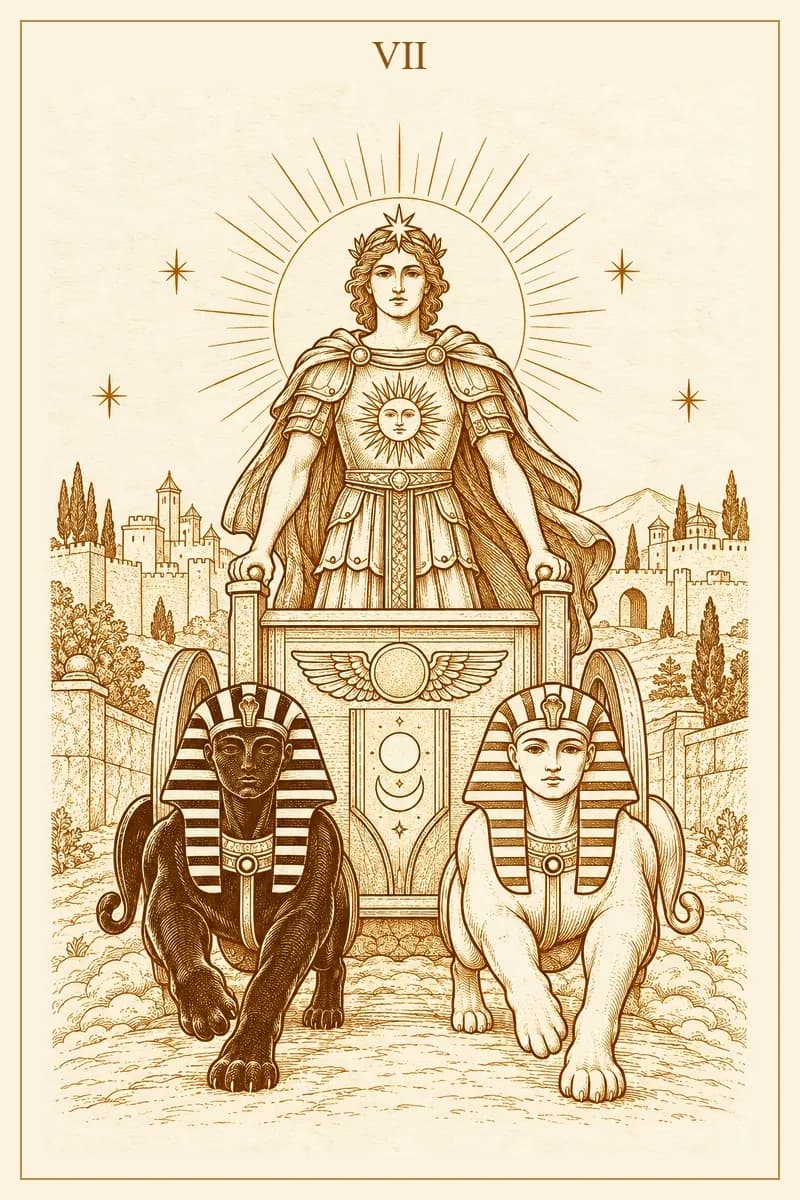
Reckless momentum
Meaning of The Fool and The Chariot Combination: Reckless Momentum
Ambition meets opportunity
Meaning of The Chariot and Ace of Pentacles Combination: Driven Material Gain
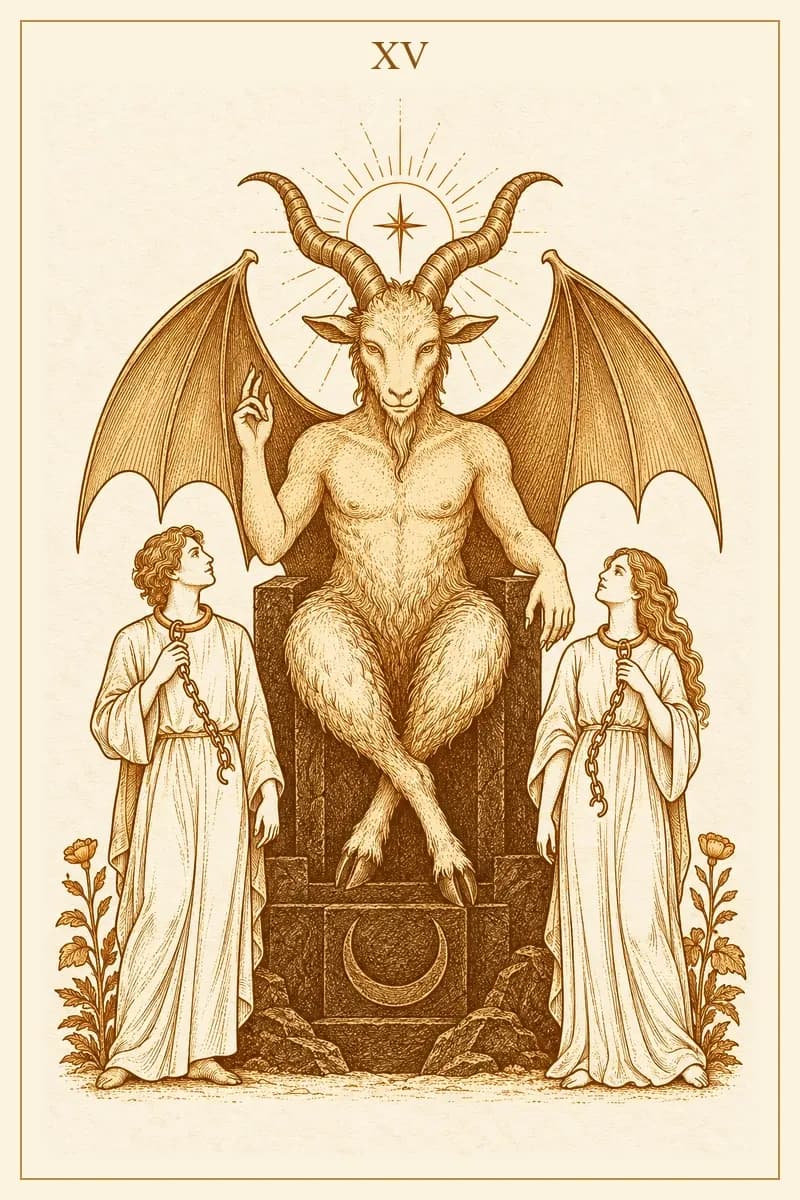
Innocence meets appetite
Meaning of The Fool and The Devil Combination: Innocence Meets Appetite
Gilded grip
Meaning of The Devil and Ace of Pentacles Combination: Gilded Grip

Structured freedom
Meaning of The Fool and The Emperor Combination: Structured Freedom
Structured abundance
Meaning of The Emperor and Ace of Pentacles Combination: Building on Solid Ground
✦ Bring it to the cards ✦
Bring The Fool and Ace of Pentacles into your own reading
Use this pairing as a starting point, then let a spread listen to the situation that is actually yours.
Begin a contextual reading