Loading your view
The page is gathering the latest information.
The page is gathering the latest information.
Final Reckoning
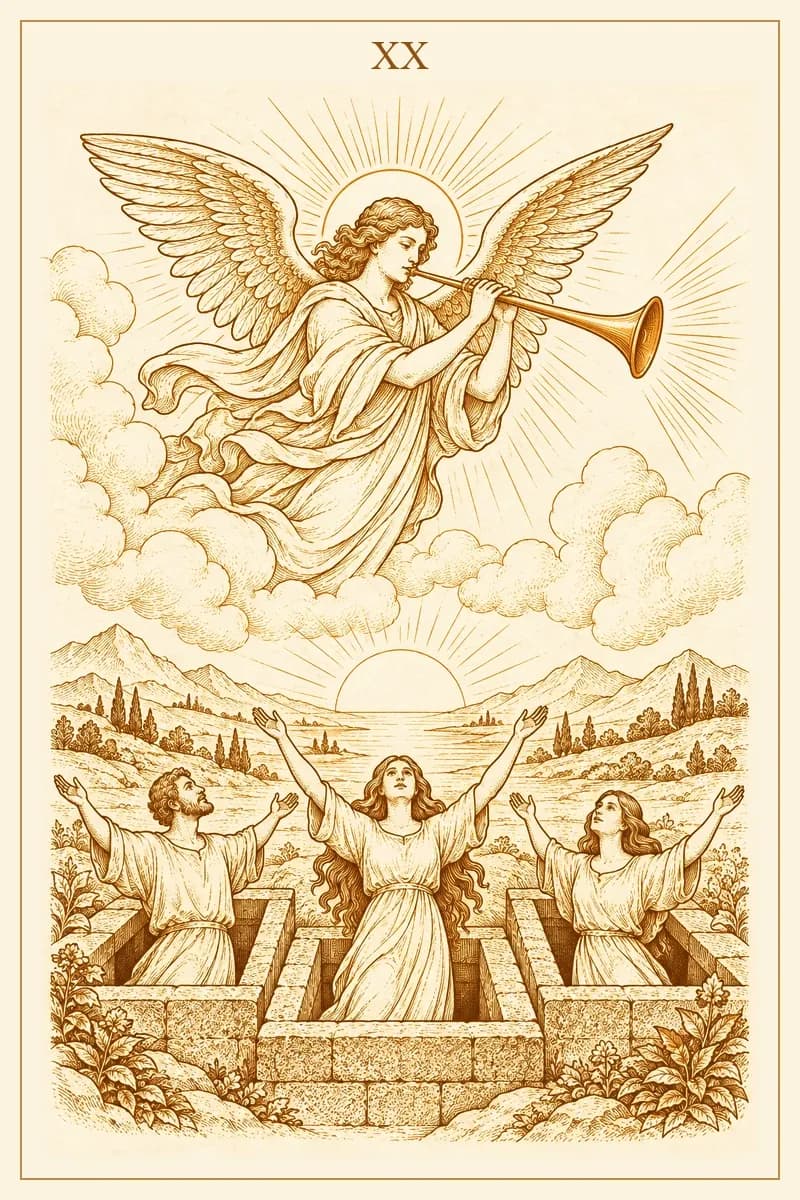
Nothing stays buried forever, yet nothing rises again in the same form. Death and Judgement sit at this paradox like a wrecking ball suspended beside a cathedral blueprint — one promises total demolition, the other demands you build something worthy from the rubble. Together, they do not offer comfort. They offer a verdict.
Where Death strips the scaffolding from every structure you believed was permanent, Judgement sounds a trumpet across the empty lot. Something is being called forth — not gently, not gradually, but with the force of a foundation being poured into ground still warm from what burned. You are not simply losing something. You are being summoned to account for what remains.
This pairing refuses half-measures. You cannot renovate when the load-bearing walls have already cracked. You cannot pretend the old floor plan still works when the roof is open sky.
Death operates without sentiment. It removes what has expired — relationships, identities, habits — with the efficiency of a demolition crew clearing condemned buildings. Judgement, however, is not neutral. It evaluates. It weighs the raw materials left behind and determines what deserves reconstruction.
The tension here is between annihilation and accountability. Death says nothing lasts; Judgement says everything mattered. One card dissolves meaning, the other insists you find it. Caught between them, you are forced into radical honesty: what did that collapsed structure actually house? Was it shelter, or was it a prison you decorated to feel like home?
This is the architectural crisis — standing in the gap between what was razed and what must be built, knowing the blueprint has to come from within.
In relationships, this combination arrives when pretending is no longer physically possible. The conversation you have avoided, the dynamic you have tolerated, the version of yourself you have performed — Death has already ended these, whether or not you have spoken the words aloud.
Judgement then asks the harder question: what was real? Beneath the patterns and compromises, was there a foundation worth preserving? For some, this pair marks the honest dissolution of a bond that served its purpose. For others, it signals the moment two people stop performing love and start excavating it — stripping away years of accumulated plaster to find the original stonework underneath.
Either way, sentimentality will not survive this transit. What emerges must be structurally sound, not merely familiar.
Professionally, Death and Judgement together indicate a role, project, or career identity reaching its absolute terminus — and a simultaneous call to evaluate your professional architecture from the ground up.
This is not a lateral move or a strategic pivot. The entire building is coming down. Perhaps you have outgrown a position so thoroughly that staying would mean living in a condemned structure. Perhaps a layoff or organizational collapse has made the decision for you.
Judgement enters as the building inspector after the collapse. It asks what skills, values, and ambitions are genuinely load-bearing — capable of supporting whatever comes next — and which ones were cosmetic additions you installed to impress others. Career decisions made under this influence tend to be irreversible and clarifying. You will not look back with regret, but you may look back with shock at how long you waited.
The shadow of this pairing is the courtroom without mercy. Death can become nihilistic destruction — tearing things down not because they have expired but because destruction feels powerful. Judgement can become harsh self-condemnation, turning every past choice into evidence for prosecution.
Together in shadow, these cards create a person who burns their life to the ground and then stands in the ashes delivering a verdict of total failure. Watch for the impulse to conflate ending with punishment. Not everything that dies was wrong. Not every ruin is evidence of your inadequacy. Sometimes a building falls because it was built in an era with different codes, and that is information, not indictment.
The other shadow: refusing the call entirely. Hearing the trumpet and choosing to sit in the rubble, cataloguing losses instead of answering.
Keep or share this combination reference
Continue through published pairings that share Death or Judgement.
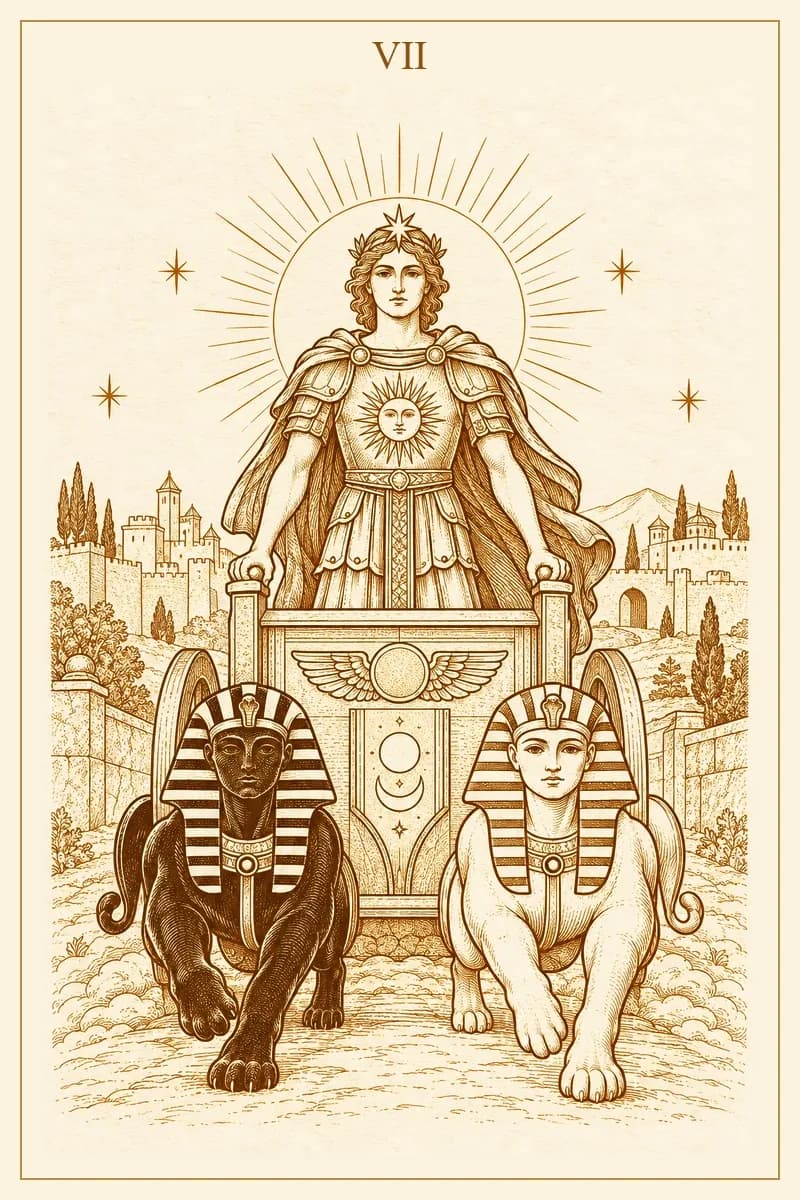
driven transformation
driven reckoning
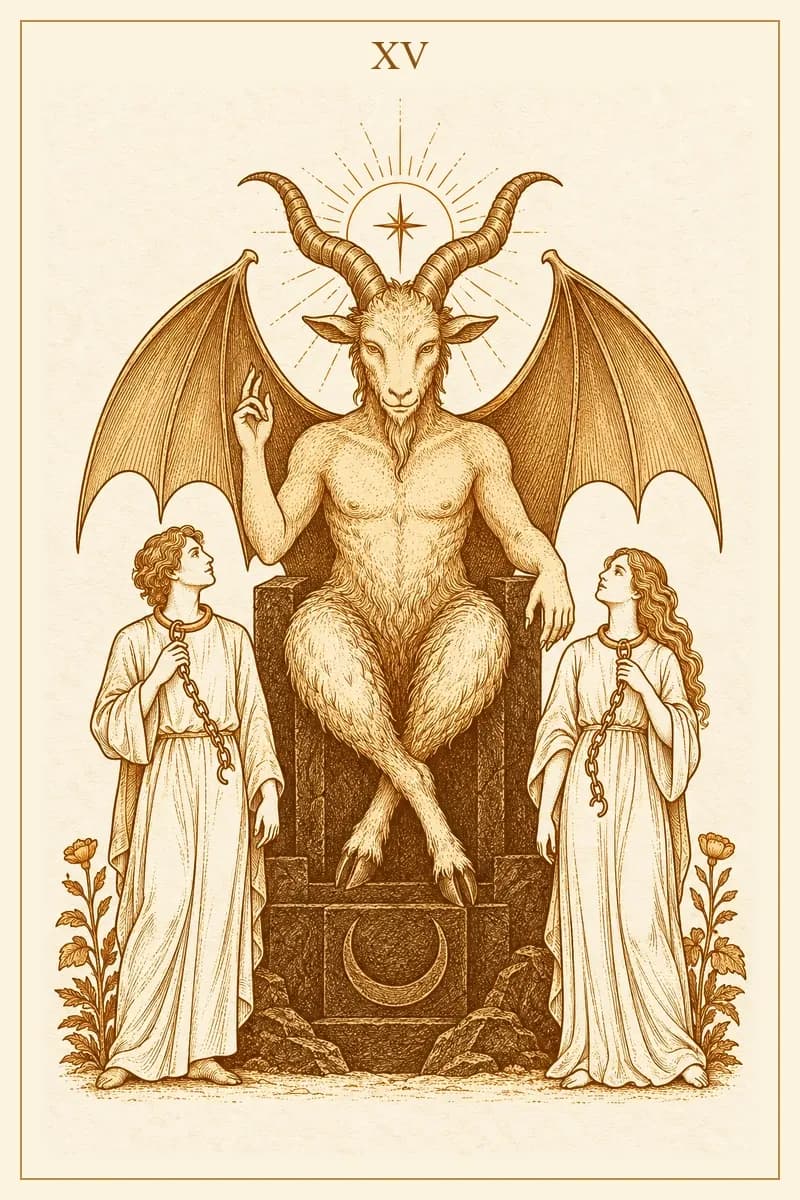
Forced Liberation
bondage meets awakening

Hidden Transformation
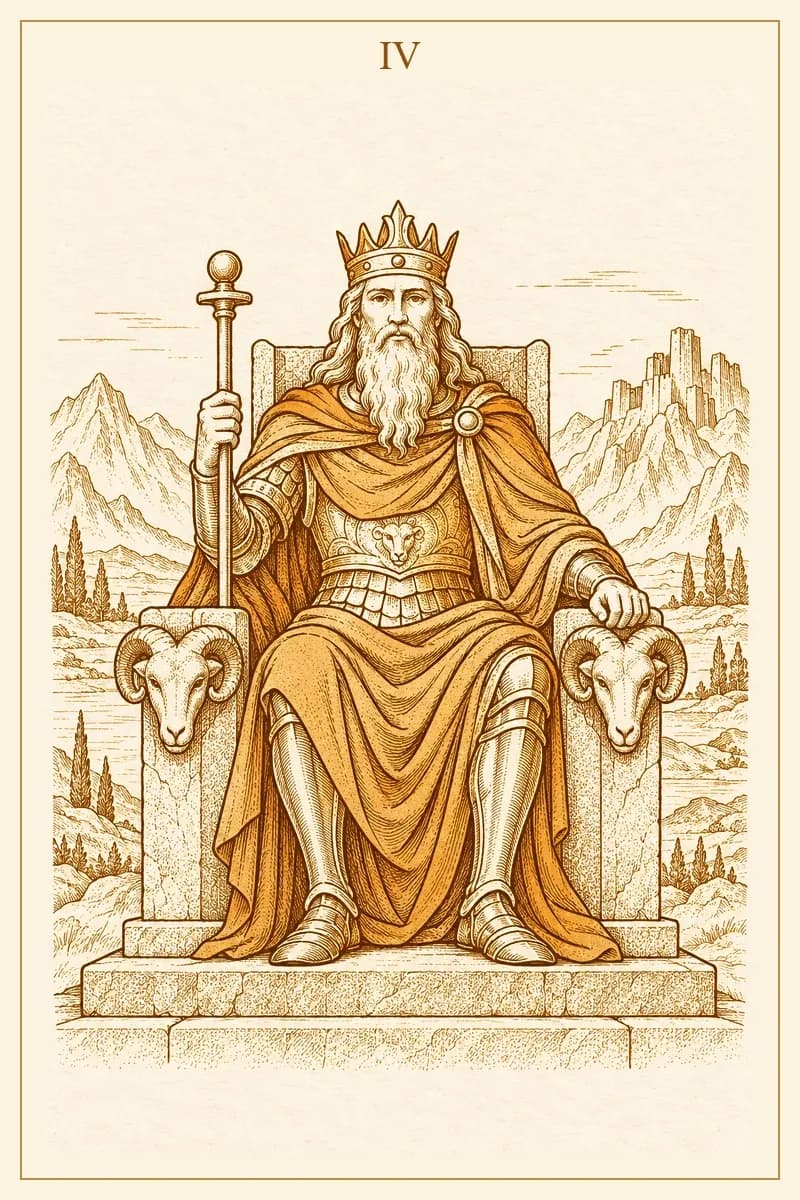
earthly authority transcended
✦ Bring it to the cards ✦
Use this pairing as a starting point, then let a spread listen to the situation that is actually yours.
Begin a contextual reading