
Card Combination
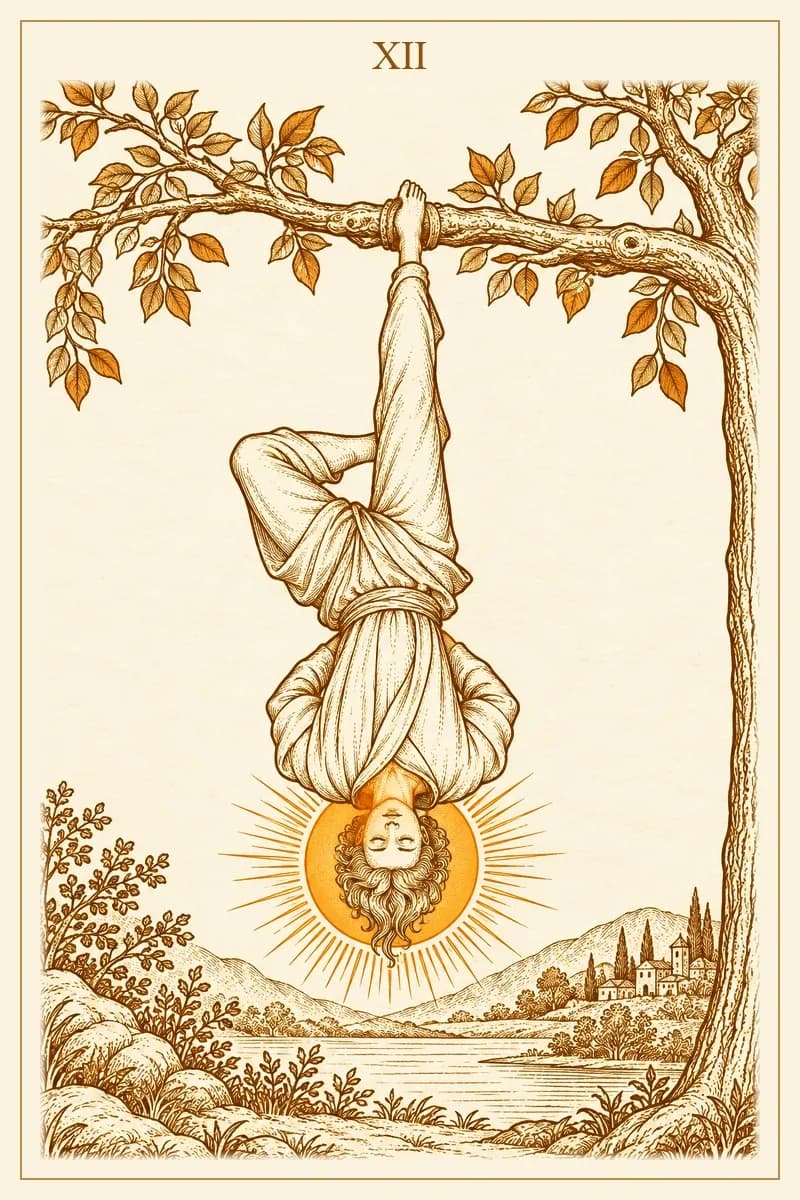
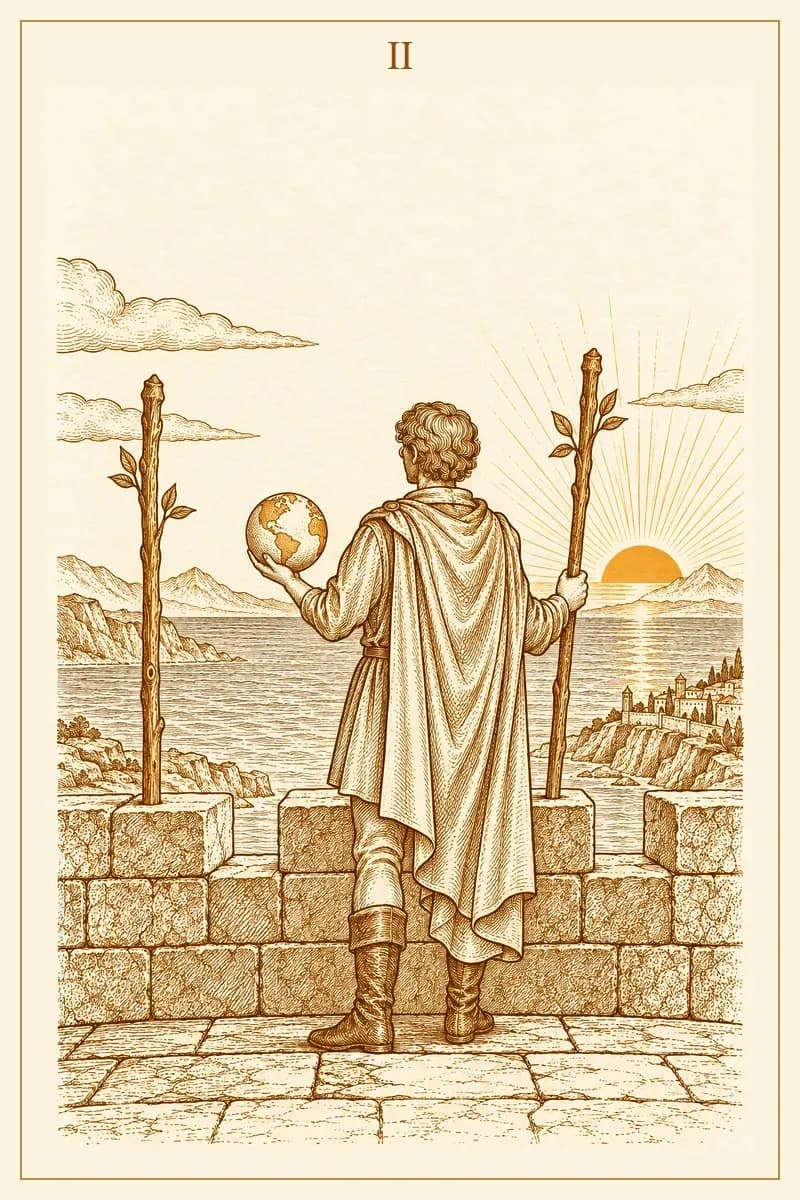
Meaning of The Hanged Man and Two of Wands Combination: Vision on Hold
Vision on hold
There is a particular kind of suffering that comes not from ignorance but from clarity. You can see exactly where you need to go. You can see the route. You can see the obstacles, the terrain, and even the rough timeline. And yet something holds you in place, unable to cross the threshold. The Hanged Man and the Two of Wands know this experience intimately.
Unlike the Ace of Wands — which arrives as raw, undirected fire — the Two of Wands has already done the work of vision. This is the figure standing on the rampart, holding the globe, gazing at the map of everything possible. The plan exists. The ambition is named. The destination is identified. What remains is the crossing itself, and that crossing is not yet permitted.
The Hanged Man does not oppose this vision. He is not a blockage but an architect of delay, the card that says: before you build, you must understand the load-bearing walls. He suspends you in the space between knowing and doing, and asks what you have not yet understood about the territory ahead.
The Core Tension
The Two of Wands is a card of strategic perspective. It belongs to someone who has already made one significant move — the Ace — and is now standing far enough back to see the larger pattern. It carries genuine forward intention, but not urgency. This is planning, not impulse. The Hanged Man deepens this tendency to the point of discomfort: instead of simply planning the journey, you are asked to question whether the journey is what it appears to be.
Together these cards describe an architectural pause. Before a major structure is built, there is a period where the blueprints are reviewed, the soil is tested, and the load calculations are done. This is not doubt. This is the intelligence of the craft. The Hanged Man and the Two of Wands ask you to inspect the foundations of your ambition before you commit to the structure.
The danger is in confusing inspection with abandonment. Reviewing blueprints is not the same as canceling the building. The plan is not wrong. The vision is not false. The suspension is in service of getting it right.
Love & Relationships
In relationship terms, this combination frequently appears during a period of deliberate assessment. One or both people can see the potential of what this could become, but the relationship itself is not in motion. Perhaps there is distance — geographic, emotional, or circumstantial. Perhaps both people are waiting for the other to move first. Perhaps life logistics are consuming the bandwidth that connection requires.
The Two of Wands in love represents someone who sees clearly across the distance to where a relationship could arrive. The Hanged Man adds the complicating layer: simply wanting to arrive is not sufficient. Something must shift in perspective or circumstance before forward movement becomes available.
If you are in a relationship, this may indicate a period of outward stillness that should not be mistaken for stagnation. The vision of what you are building together is intact. The conditions for the next phase are being assembled beneath the surface. If you are not in a relationship, this pairing often marks a deliberate waiting period — not passivity, but a conscious choice to understand what you want before pursuing it.
Career & Purpose
The Two of Wands in a professional context is the card of the entrepreneur before the launch, the strategist before the campaign, the architect before the groundbreaking. All the vision is present. The specific direction has been chosen. What has not yet happened is the committed move forward.
The Hanged Man here is a signal to audit that vision before committing resources. Does the plan account for what you do not yet know? Have you surveyed the landscape thoroughly enough? Are you waiting because conditions are genuinely not ready, or because the scale of the ambition has produced an anxiety you are calling "prudence"?
This combination rewards those who use the pause productively: deepening expertise, building networks, refining the approach. It punishes those who wait without working, who mistake suspension for vacation.
Shadow Side
The shadow of this pairing is a sophisticated form of paralysis that wears the costume of strategic wisdom. Because the Two of Wands is already a planning card, and the Hanged Man is already a waiting card, together they can rationalize inaction almost indefinitely. The vision remains vivid. The plan looks complete. And still nothing moves.
Watch for the planning that never transitions to execution. The person who can describe the destination in perfect detail but has not bought a ticket. At some point, the map must be folded and the journey must begin, even if every contingency has not been resolved.
Action Steps
- 1Take your current plan or vision and identify the single most important unknown — the one variable whose answer would most change your approach — and spend this week finding out.
- 2Notice whether your waiting is active or passive: active waiting builds the conditions for action, passive waiting simply postpones the discomfort of deciding.
- 3Name the moment at which the pause ends: define what "ready" actually looks like so that readiness becomes a target rather than an ever-retreating horizon.
Related Pairings
Continue through published pairings that share The Hanged Man or Two of Wands.
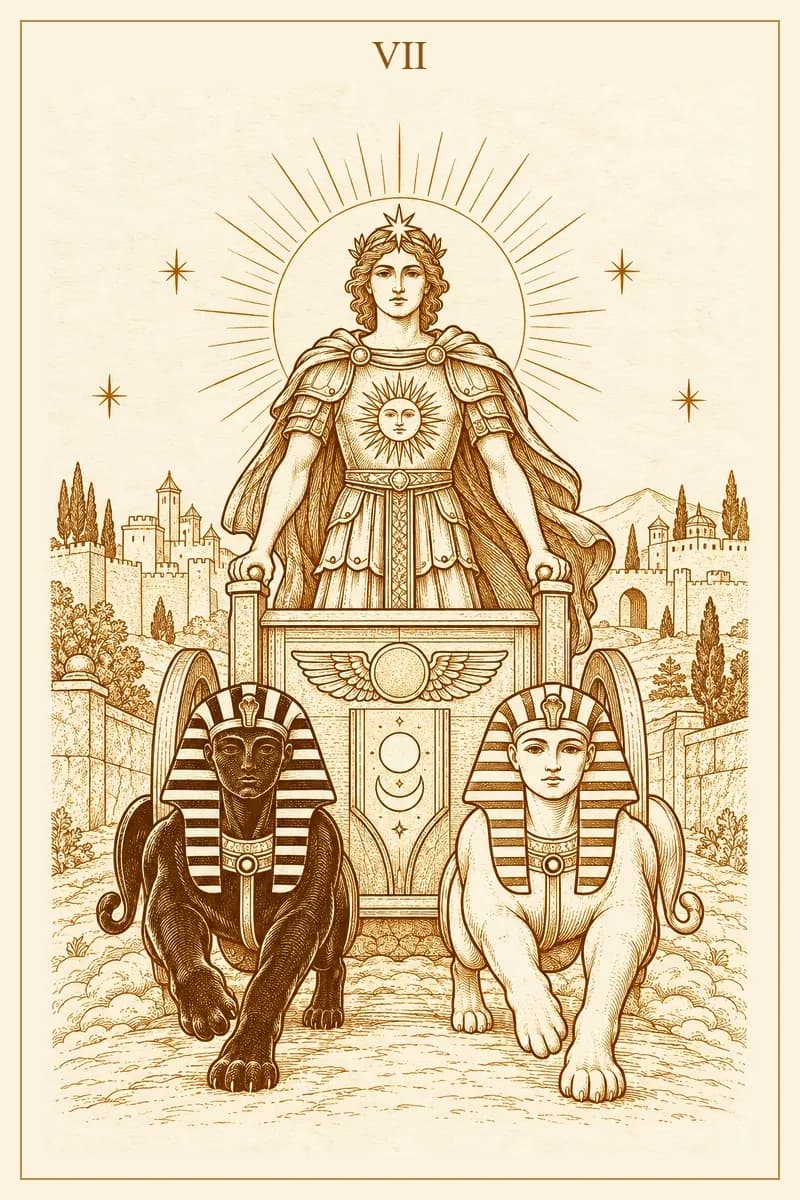
Momentum versus surrender
Meaning of The Chariot and The Hanged Man Combination: Momentum Meets Stillness
Driven ambition
Meaning of The Chariot and Two of Wands Combination: Willpower Meets Vision
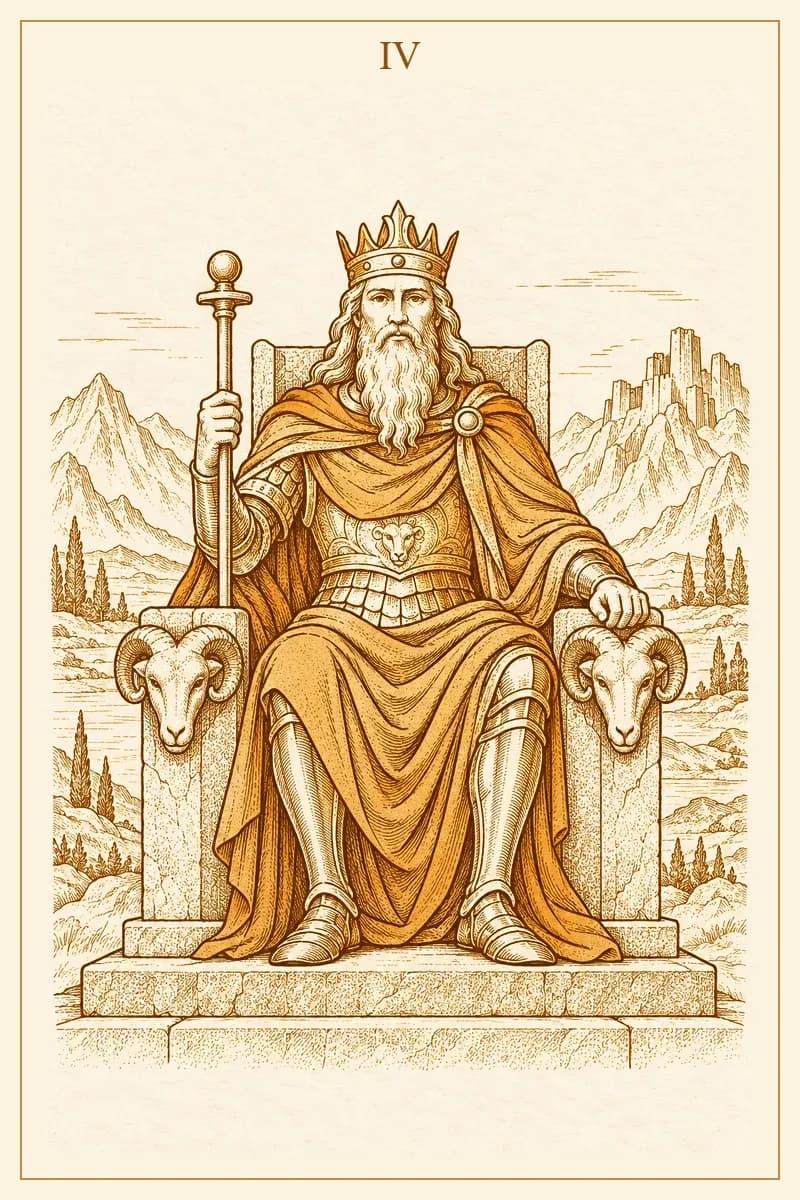
Control vs release
Meaning of The Emperor and The Hanged Man Combination: When Control Meets Surrender
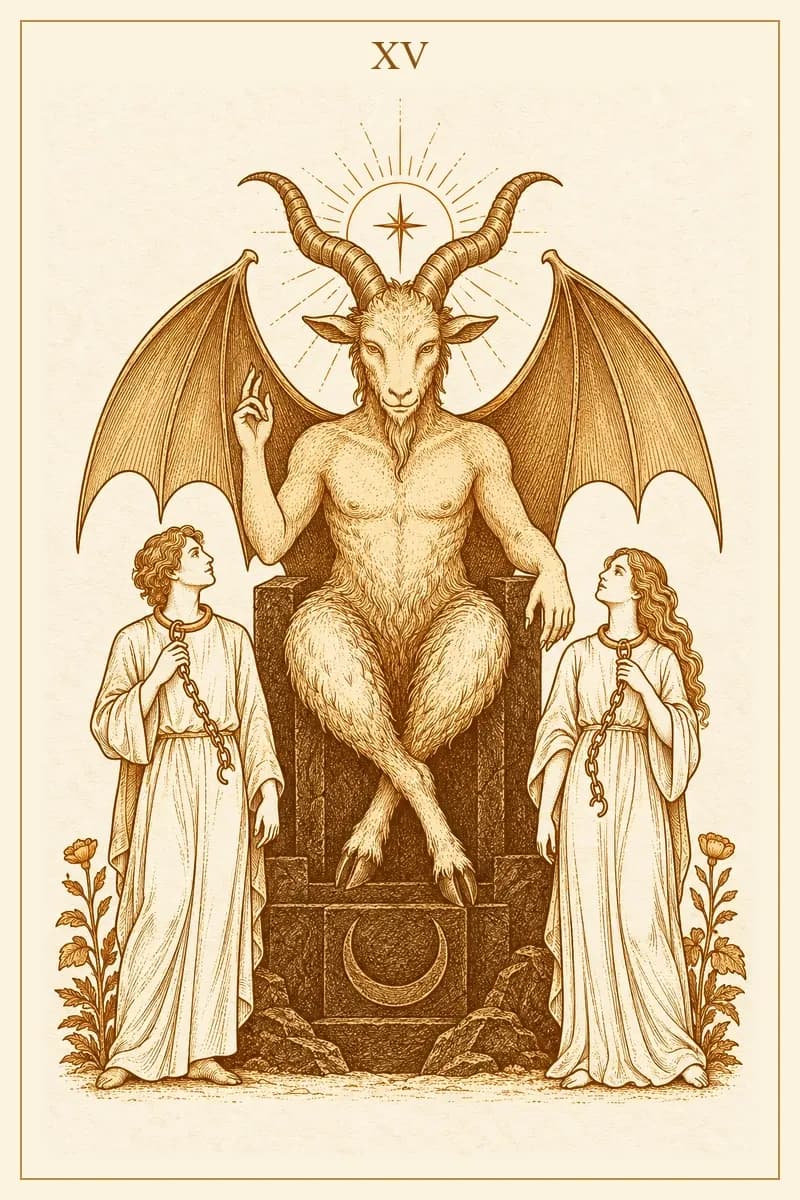
Chained ambition
Meaning of The Devil and Two of Wands Combination: Ambition in Chains
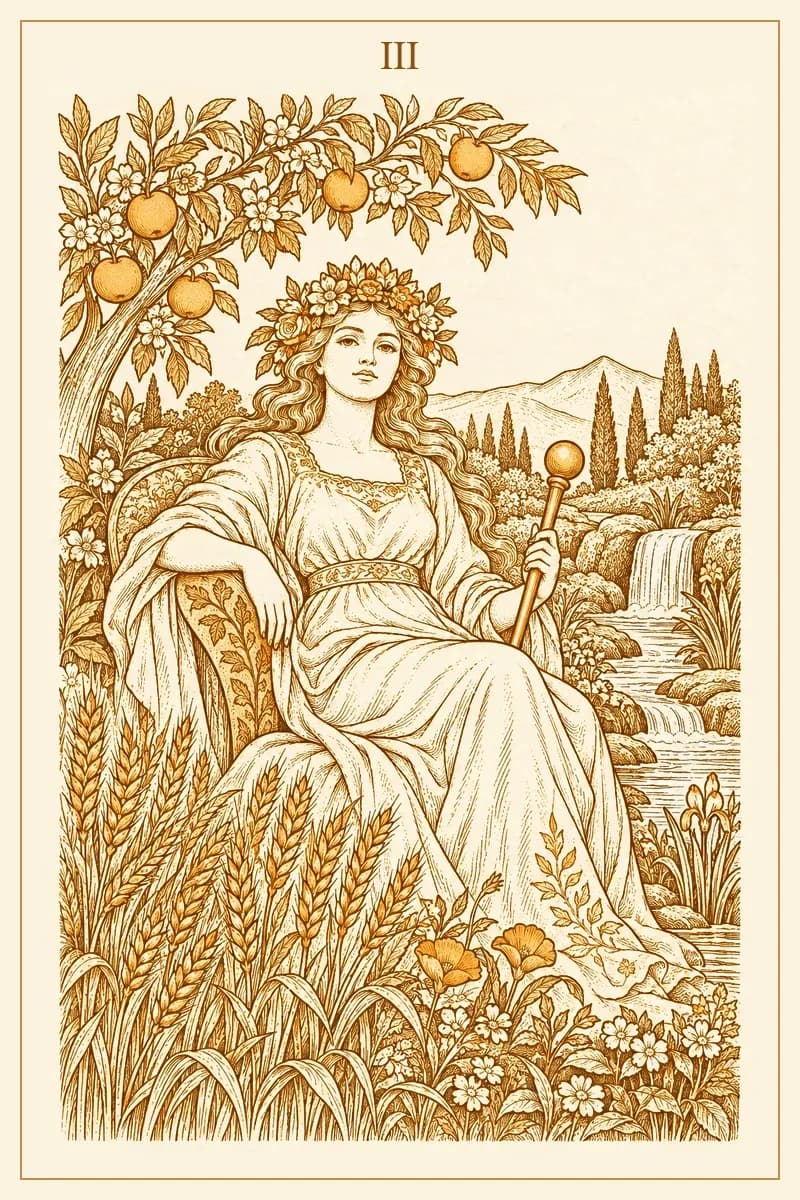
Fertile suspension
Meaning of The Empress and The Hanged Man Combination: Fertile Pause
Authority versus expansion
Meaning of The Emperor and Two of Wands Combination: Empire at the Edge
✦ Bring it to the cards ✦
Bring The Hanged Man and Two of Wands into your own reading
Use this pairing as a starting point, then let a spread listen to the situation that is actually yours.
Begin a contextual reading