
Card Combination
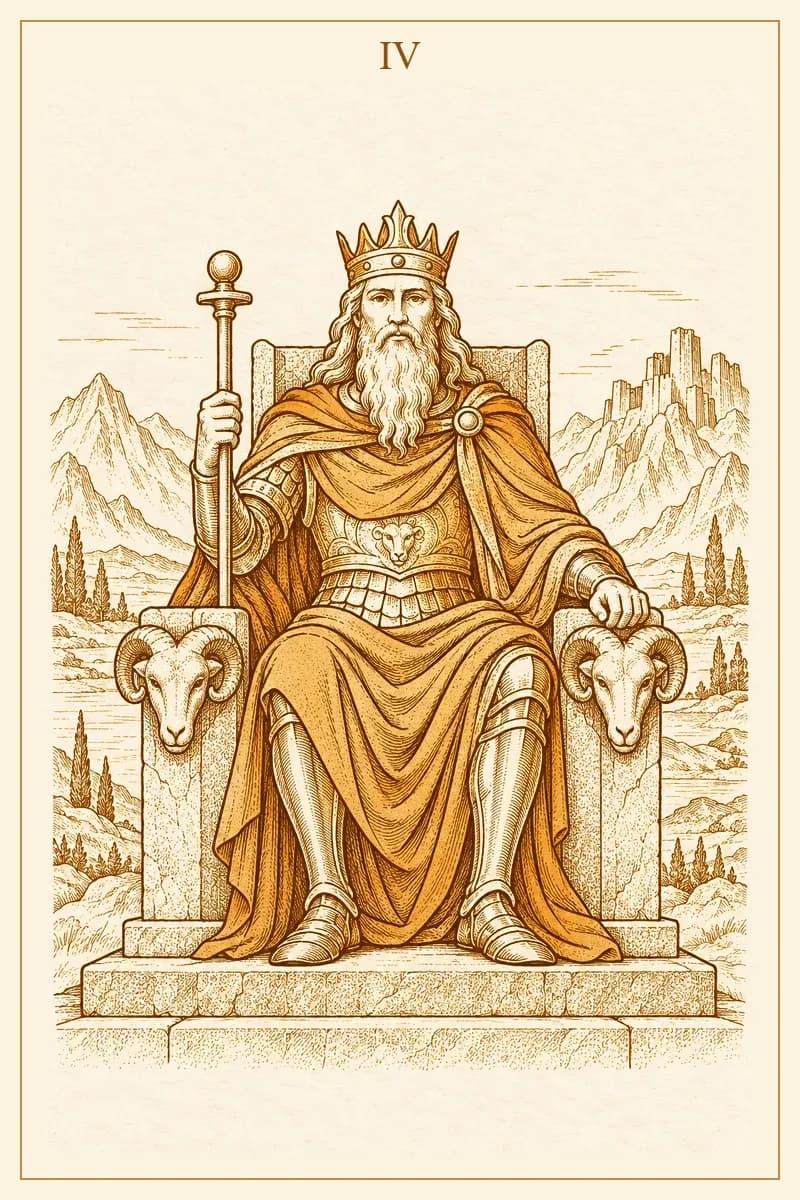
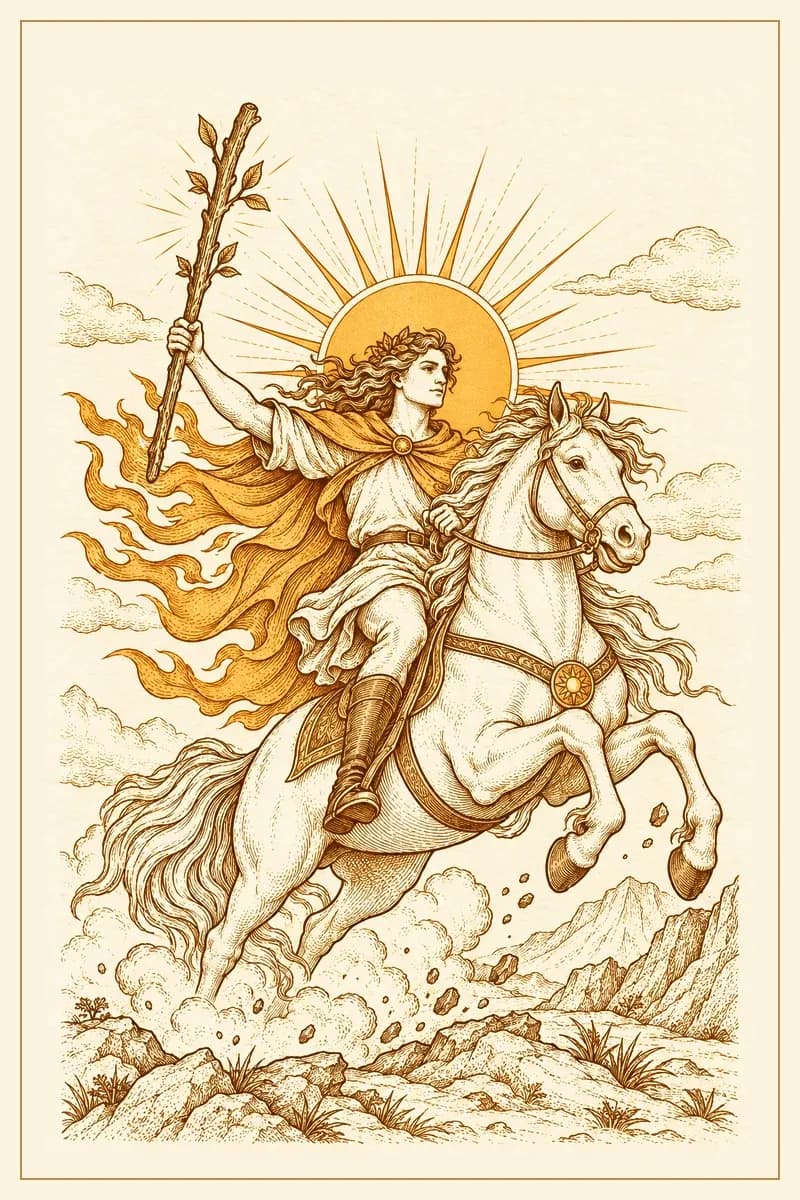
Meaning of The Emperor and Knight of Wands Combination: Discipline Meets Daring
Discipline vs. daring
You cannot have two playmakers calling different plays at the same time. When a coach's meticulous game plan collides with the instinctive brilliance of a player who reads the field in real time and acts on it before the play is called, something has to give — and what gives reveals the actual power structure of the team. That paradox is the engine of this combination.
The Core Tension
An emperor constructs systems. He sets rules precisely because he understands that individual brilliance, uncoordinated, produces chaos. The Knight of Wands is that individual brilliance — passionate, bold, faster in the body than in the mind, constitutionally incapable of waiting for permission when the opportunity is visible right now.
The paradox at the center of this pairing: both figures believe they are right. The emperor's structure exists for good reasons rooted in experience. The knight's instinct fires for good reasons rooted in reading the present moment. The conflict is not stupidity on either side — it is a genuine collision between two valid modes of engaging with reality.
What makes this tense rather than simply energizing is the question of timing. The knight acts when the window appears. The emperor acts when the plan dictates. These two timings are rarely identical, and the gap between them is where friction lives.
Love & Relationships
In romantic relationships, this combination produces chemistry that is hard to ignore and hard to sustain simultaneously. The knight-energy person pursues with intensity, makes grand gestures, operates from feeling with a speed that feels intoxicating. The emperor-energy person is attracted to that directness but instinctively tries to channel it into something more structured — timelines, commitments, definitions.
The early stages feel like the knight's natural habitat: spontaneous, charged, physically compelling. As the relationship develops, the emperor's need for structure starts to assert itself, and the knight — who was magnificent in open field — begins to feel fenced.
The realistic risk here is not that the relationship fails, but that it oscillates between two incompatible rhythms: the knight pushing for spontaneous intensity, the emperor pulling toward predictable order. Neither rhythm is wrong. But without explicit negotiation, neither person feels fully met — and one eventually outpaces the other.
Career & Purpose
Professionally, this combination describes an authority structure that is being tested by someone whose performance exceeds the system's ability to contain them. The knight brings drive, results, and a willingness to take initiative that the organization benefits from enormously — until the initiative goes in a direction the authority structure did not sanction.
In sports terms: a player who scores in ways the playbook does not account for is an asset, until they start calling audibles that undermine the coach's authority. At that point, the team has a decision about whether the system serves the talent or the talent serves the system.
The same dynamic plays out in organizations. A knight-type employee who gets results by moving fast and breaking protocol becomes a test case for how the emperor-type authority handles exceptions. Suppress the initiative, and you lose the asset. Accommodate the initiative without principle, and you undermine the system for everyone else.
The productive resolution is neither suppression nor unilateral endorsement — it is renegotiation. What does the system need to stay coherent? What does the talent need to stay engaged? The answer usually requires the authority to be more flexible than comfortable and the talent to be more patient than natural.
Shadow Side
The shadow of this combination runs in two directions simultaneously.
The emperor's shadow here is rigidity performing as principle. Insisting on the system's rules when the rules are clearly producing inferior outcomes, and framing that insistence as discipline rather than ego — this is the emperor's shadow at full expression. A coach who benches the best player because they ran a play that worked but wasn't called has let hierarchy become the point rather than the means.
The knight's shadow is brilliance becoming recklessness. Moving fast and producing results creates a psychological feedback loop that makes slowing down feel like failure. A knight who has never been stopped learns that the rules do not apply to them — and begins to take risks that are not merely bold but genuinely careless. The confidence that made them excellent becomes the override system that gets them into damage they cannot outrun.
Action Steps
- 1If you hold the authority position, identify one place where you enforced a rule last week primarily because it was the rule — then ask whether the outcome was better for it, or just more comfortable for you.
- 2If you are the knight in this dynamic, identify one impulsive action you took this month that produced a good result and ask whether the same move, slower and communicated in advance, would have produced a better one — or just the same one with less friction.
- 3Find the conversation neither side has been willing to start: the one where the system gets renegotiated rather than either person winning the current standoff.
- 4Discipline and daring are both incomplete strategies on their own. A team of emperors never wins a championship because it cannot improvise. A team of knights never wins because it cannot execute on a sustained plan. The question this combination asks is whether the people involved are capable of building something that honors both — a structure elastic enough for brilliance to move through it, and an instinct disciplined enough to know when the play has been called.
Related Pairings
Continue through published pairings that share The Emperor or Knight of Wands.
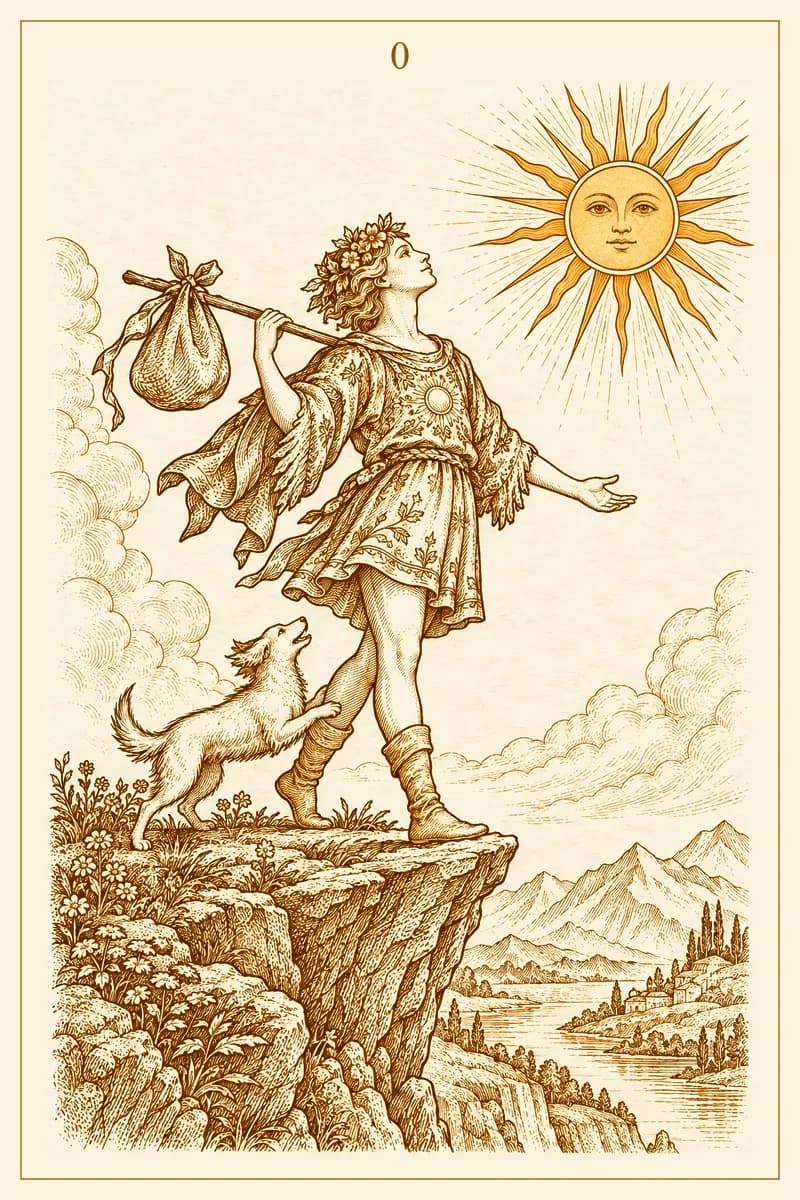
Structured freedom
Meaning of The Fool and The Emperor Combination: Structured Freedom
Double charge, single direction
Meaning of The Fool and Knight of Wands Combination: Two Riders, No Map
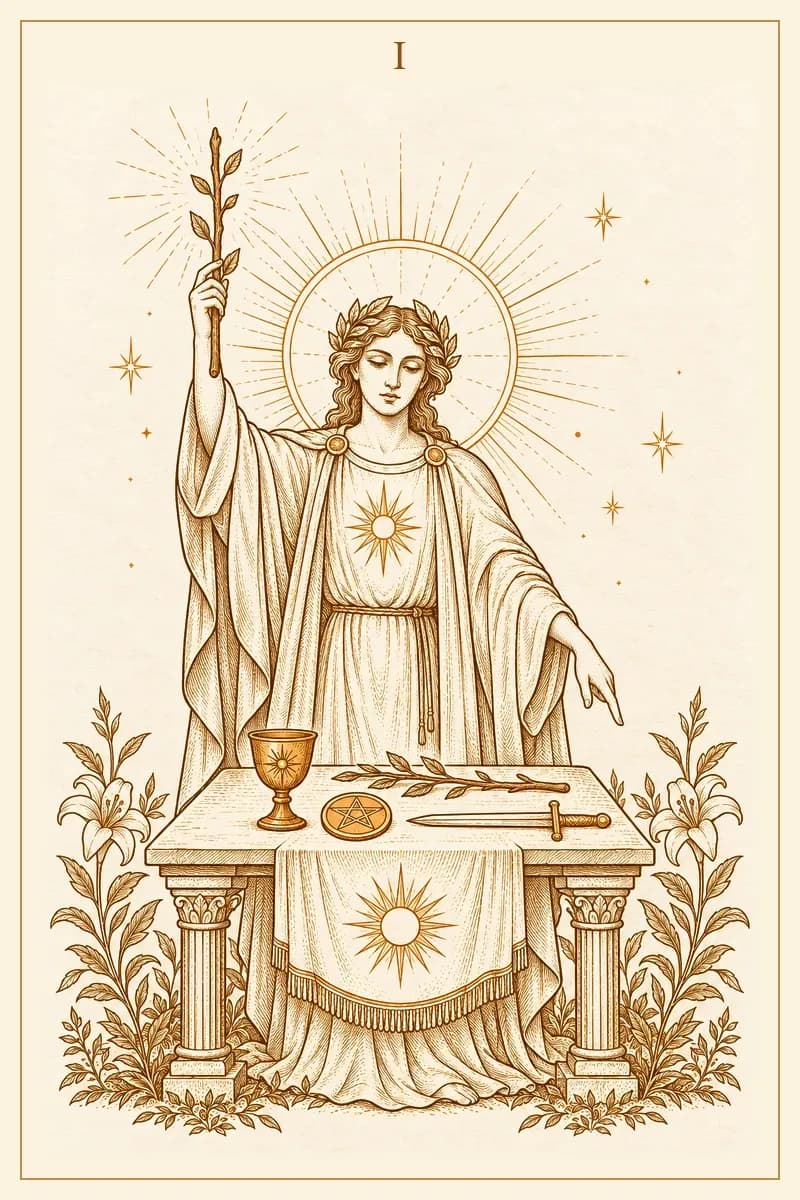
Disciplined mastery
Meaning of The Magician and The Emperor Combination: The Architect of Command
Fearless execution
Meaning of The Magician and Knight of Wands Combination: Bold Momentum
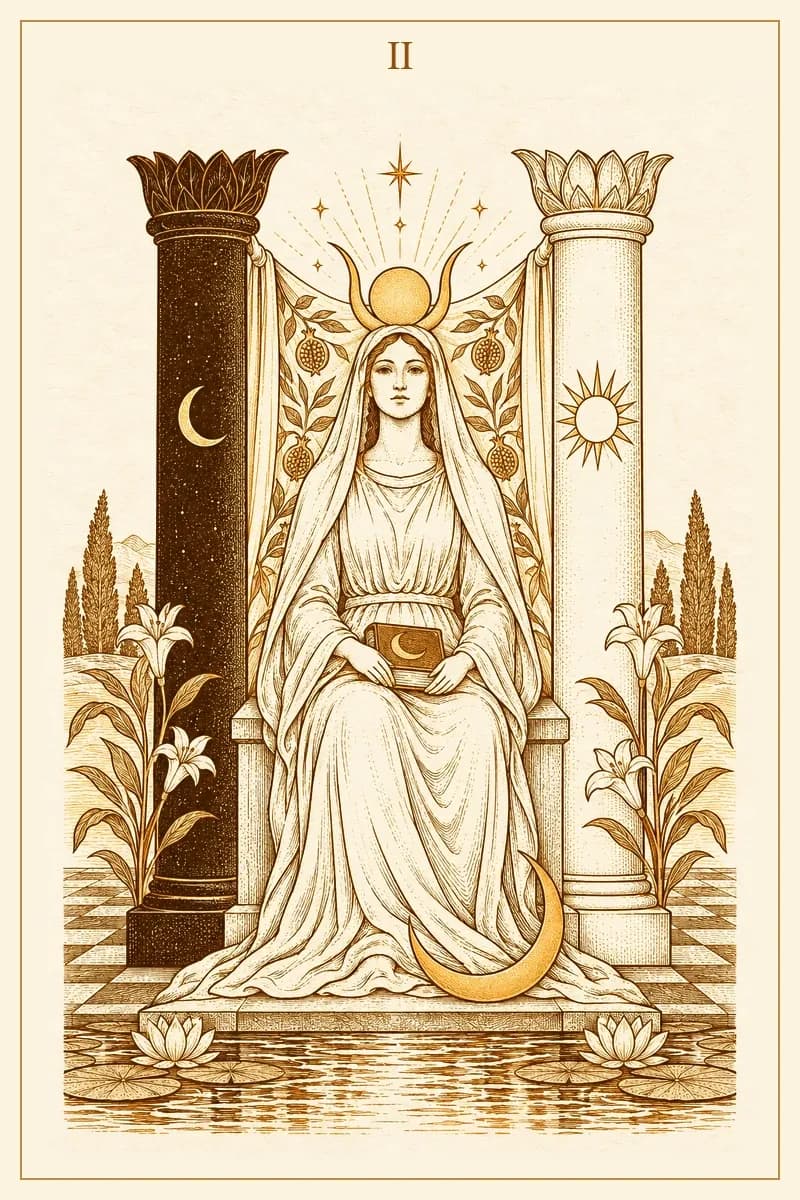
Hidden order
Meaning of The High Priestess and The Emperor Combination: Hidden Order
Impulse vs. intuition
Meaning of The High Priestess and Knight of Wands Combination: When Instinct and Impulse Collide
✦ Bring it to the cards ✦
Bring The Emperor and Knight of Wands into your own reading
Use this pairing as a starting point, then let a spread listen to the situation that is actually yours.
Begin a contextual reading