What is Tarot? A Complete Beginner's Introduction
Veil Soul
Published on · 7 min read
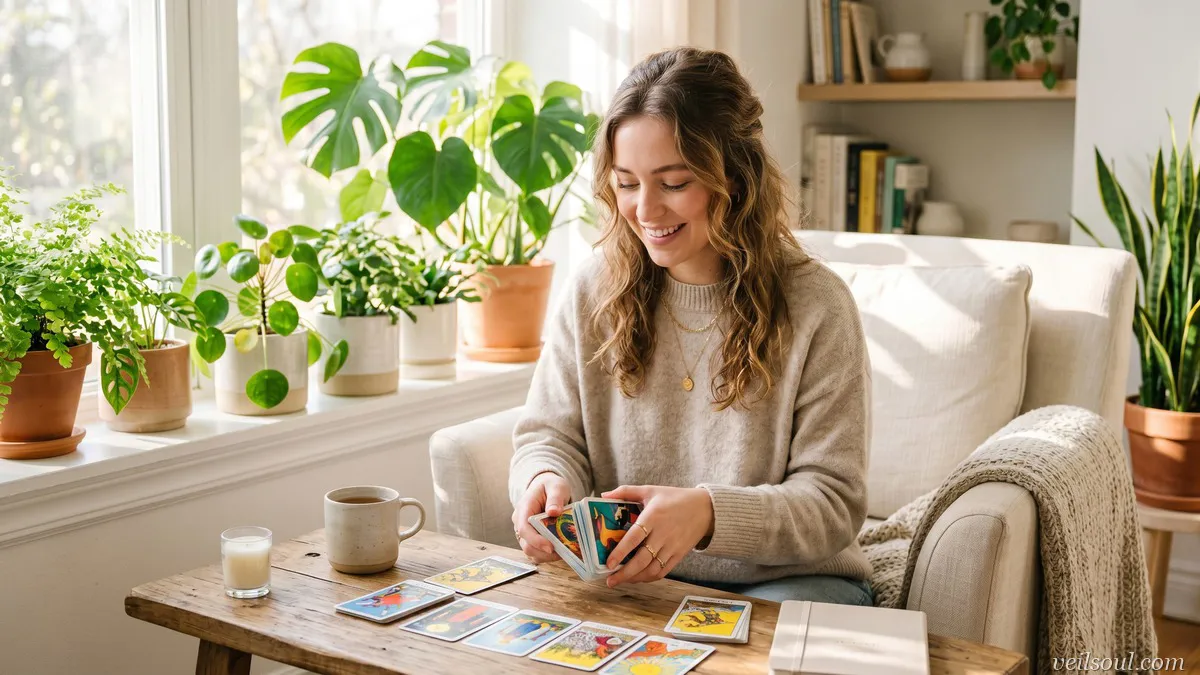
You've probably seen Tarot cards in movies, on social media, or maybe a friend mentioned getting a reading. Perhaps you felt a quiet pull of curiosity — what are these cards, really? And more importantly: could they actually help me?
If you've ever felt overwhelmed by all the mystical imagery and complex-sounding terminology, you're not alone. The truth is, Tarot is far more accessible than most people think. You don't need psychic abilities, years of study, or any special gifts to start.
In this guide, we'll walk you through everything you need to know about Tarot — what it is, where it came from, how it actually works, and how you can begin using it today for clarity, self-reflection, and personal growth.
What Exactly is Tarot?
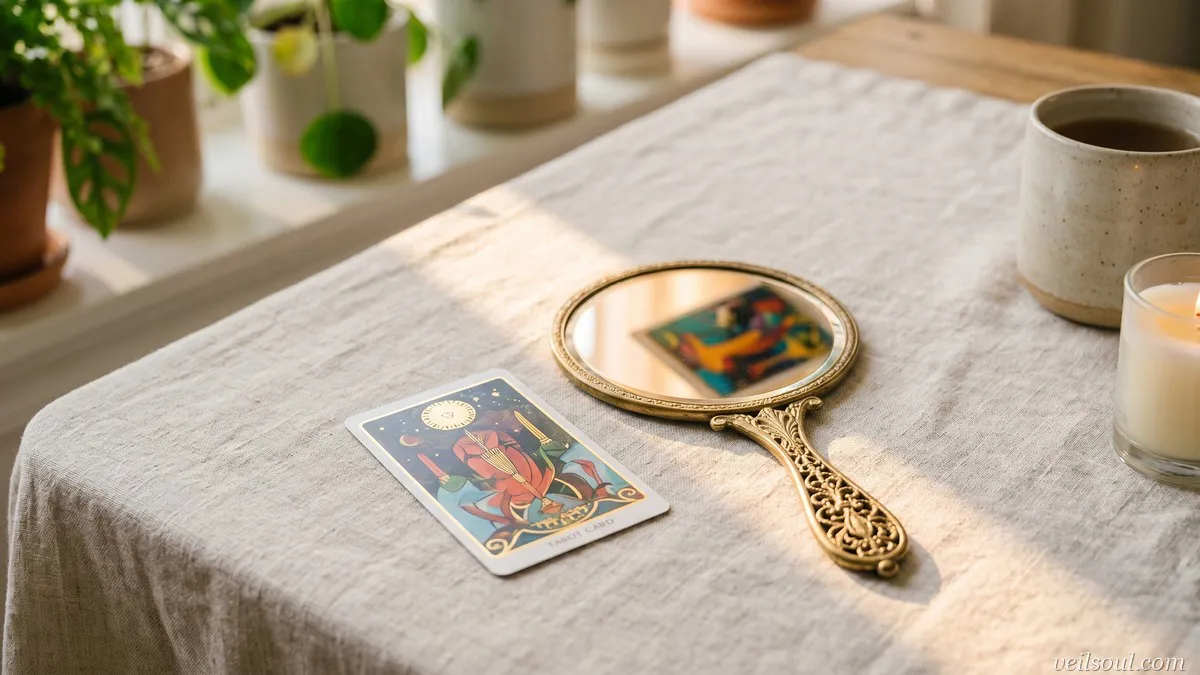
At its core, Tarot is a deck of 78 cards, each carrying symbolic imagery and meaning. Think of it as a visual language — a tool that helps you have a deeper conversation with yourself.
Unlike what Hollywood might suggest, Tarot isn't about predicting a fixed future. It's about exploring possibilities, understanding patterns, and gaining perspective on your current situation. When you pull a card, you're not receiving a decree from the universe — you're opening a door to reflection.
Beginner Tip: Think of Tarot cards as mirrors, not crystal balls. They reflect what's already within you — your hopes, fears, patterns, and potential paths forward.
A Brief History of Tarot
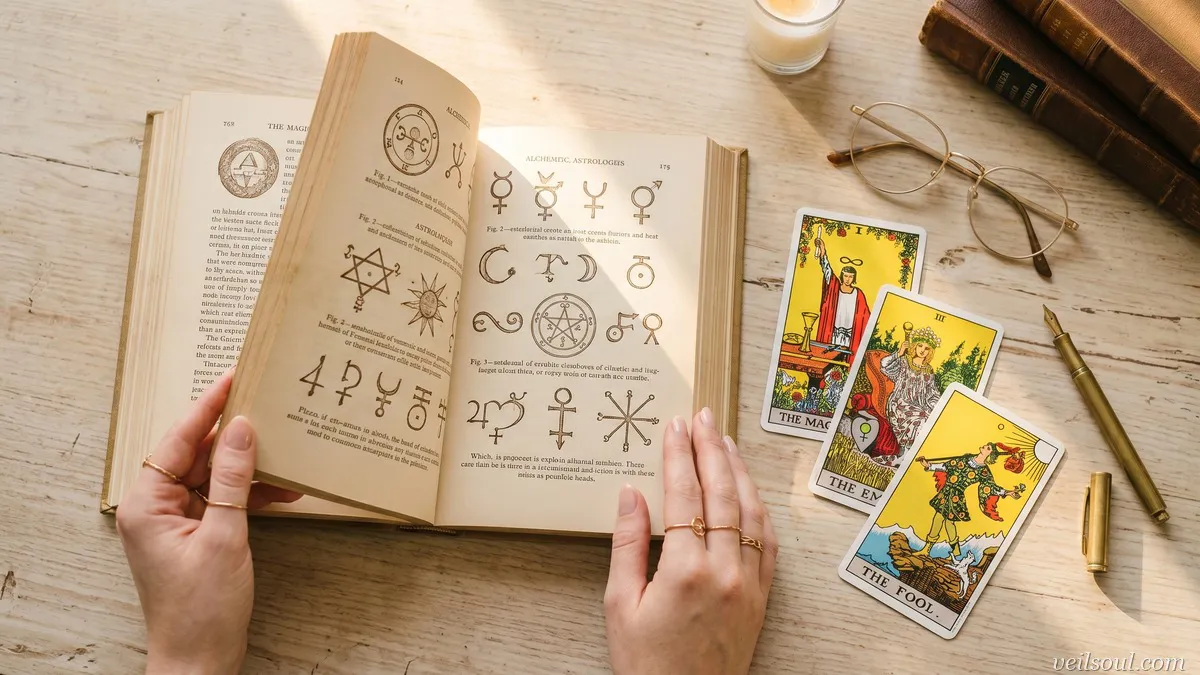
Tarot cards first appeared in 15th-century Europe, originally as playing cards for Italian nobility. The game was called tarocchi, and it had nothing to do with fortune-telling.
It wasn't until the 18th century that mystics and occultists began associating the cards with divination and spiritual wisdom. Over the centuries, Tarot evolved through many traditions — from the esoteric teachings of the Golden Dawn to the iconic Rider-Waite-Smith deck published in 1909, which remains the most widely used deck today.
Why Does This History Matter?
Understanding Tarot's origins helps demystify it. These aren't ancient artifacts of dark magic — they're a creative, evolving system of symbols that humans have used for centuries to explore the human experience.
How Does Tarot Actually Work?
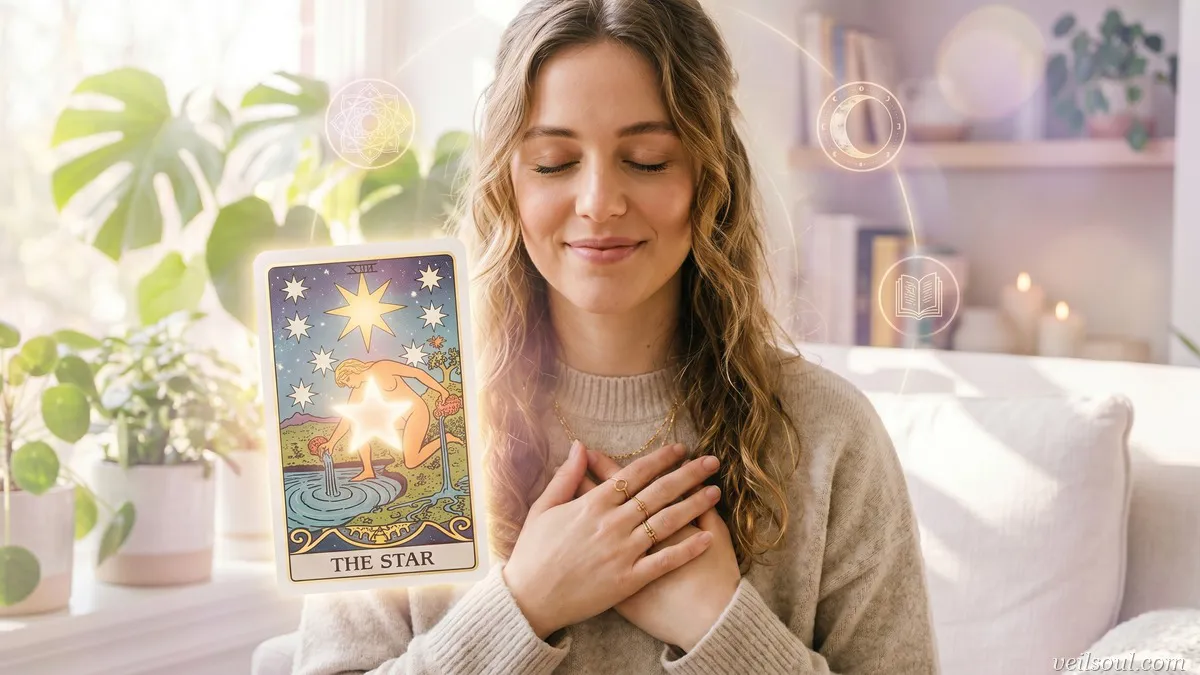
This is the question everyone asks, and the honest answer is: it depends on who you ask.
Some believe Tarot connects to universal energy, collective consciousness, or spiritual guides. Others see it as a powerful psychological tool — the cards' imagery triggers your subconscious mind, helping you access insights you already have but haven't articulated.
The Psychological Perspective
Psychologist Carl Jung would have loved Tarot. The cards are rich with archetypes — universal symbols that resonate across cultures. When you see The Fool stepping off a cliff, something inside you responds. That response is the reading.
The Intuitive Perspective
Many readers believe that the cards you draw aren't random — they're meaningful synchronicities. Whether you call it intuition, energy, or the universe speaking, the experience of pulling exactly the right card can feel genuinely uncanny.
Beginner Tip: You don't need to decide what you believe before you start. Just approach Tarot with curiosity and an open mind. Your understanding will deepen naturally with practice.
What Can Tarot Help You With?
Tarot is remarkably versatile. Here are some of the most common ways people use it:
- Self-reflection: Understanding your thoughts, feelings, and patterns more clearly
- Decision-making: Exploring different perspectives before making a choice
- Personal growth: Identifying areas where you can grow and evolve
- Relationships: Gaining insight into dynamics with others
- Daily guidance: Starting your day with intention and awareness
- Creative inspiration: Using the rich imagery to spark new ideas
What Tarot is NOT
Let's clear up some common misconceptions:
- Tarot is not fortune-telling. It doesn't predict a fixed, unavoidable future. You always have free will.
- Tarot is not evil or dangerous. It's a tool — like a journal or a meditation practice. The intention you bring to it matters.
- Tarot doesn't require psychic powers. Anyone can learn to read Tarot. It's a skill, not a supernatural gift.
- You don't need someone else to read for you. Reading for yourself is one of the most powerful ways to use Tarot.
Beginner Tip: If someone tells you that you "can't" read Tarot for yourself, or that you need to be "gifted" a deck — that's a myth. Buy your own deck, read for yourself, and enjoy the journey.
Getting Started: Your First Steps
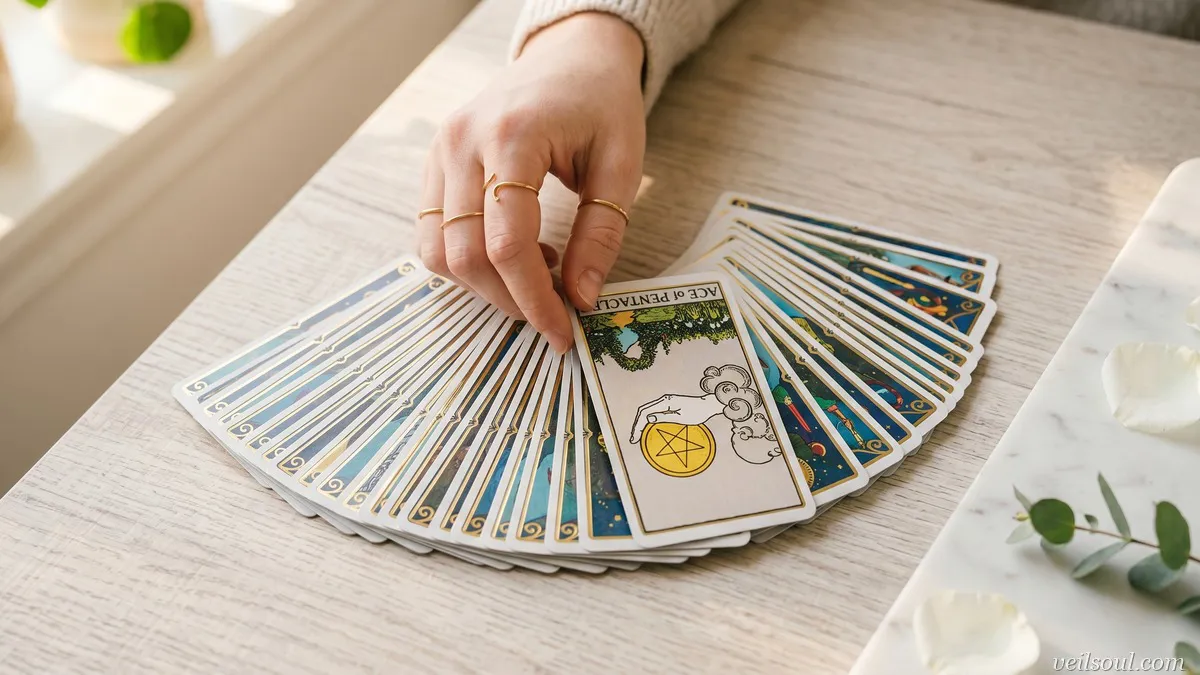
Ready to begin? Here's a simple path forward:
- Get a deck: The Rider-Waite-Smith deck is the most beginner-friendly. Its imagery is clear, and most learning resources reference it.
- Start with one card a day: Each morning, shuffle your deck and draw a single card. Look at the imagery. What do you notice? How does it make you feel? Check the meaning later.
- Keep a journal: Write down your daily card, your initial impressions, and any reflections at the end of the day. You'll be amazed at the patterns you discover.
- Be patient with yourself: Learning 78 cards takes time. There's no rush. Every master reader started exactly where you are now.
Try It Yourself: The One-Card Check-In
Here's a simple exercise you can do right now — no experience needed:
- Find a quiet moment. Take three slow, deep breaths.
- Hold your deck (or use our online reading tool) and think of a simple question: "What do I need to know today?"
- Draw one card. Don't rush to look up the meaning.
- Spend 30 seconds just looking at the image. What colors do you see? What's the figure doing? What emotion comes up?
- Now check the meaning. How does the traditional interpretation connect with your initial impression?
Remember: There's no wrong way to do this. Your first reading doesn't need to be profound — it just needs to be yours.
Frequently Asked Questions
Do I need to be spiritual to use Tarot?
Not at all. Many people use Tarot as a purely psychological tool for self-reflection. You can approach it from any belief system — or none at all. What matters is your willingness to be honest with yourself.
Can Tarot predict the future?
Tarot shows possibilities and tendencies based on your current path. Think of it as a weather forecast, not a prophecy. You can always change course.
Is it okay to read Tarot for myself?
Absolutely. Self-reading is one of the most rewarding Tarot practices. In fact, many experienced readers say that reading for yourself is where the deepest growth happens.
How long does it take to learn Tarot?
You can start doing meaningful readings within days. Mastery takes longer — but that's part of the joy. Most readers say they're still discovering new layers after years of practice.
Your Tarot Journey Starts Now
Tarot is a journey of self-discovery that has enriched millions of lives around the world. At its heart, it's simple: 78 cards, each a mirror reflecting a different facet of the human experience.
You don't need to memorize everything at once. You don't need special abilities. You just need curiosity and a willingness to listen — to the cards, and to yourself.
Your Next Step: Explore the structure of a Tarot deck to understand how the 78 cards are organized, or try a free reading right now to experience Tarot firsthand.
chat_bubble 0 Comments
Leave a Comment