Tarot Cards That Indicate Cheating or Betrayal
Veil Soul
Published on · 13 min read
Key Takeaways
- No single tarot card "proves" infidelity — context, combinations, and surrounding cards matter far more than any isolated pull.
- The Seven of Swords, The Moon, and the Three of Swords are the most commonly associated cards when dishonesty surfaces in a reading.
- Tarot readings should never be used to accuse or confront — use this guidance for personal reflection and clarity about your own path forward.
There is a particular kind of silence that settles over a reading when someone suspects their partner is being unfaithful. It is not the curious quiet of someone exploring possibilities — it is the stillness of someone who already senses the truth but is terrified to confirm it.
If you are sitting with that weight right now, please know this: your instincts brought you here for a reason. Whether tarot confirms your fears or reveals something more nuanced, the cards are not here to punish you. They are here to illuminate what you already feel but cannot yet articulate.
In this guide, I will walk you through the tarot cards most commonly associated with cheating, dishonesty, and betrayal in love readings. But more importantly, I will show you how to read these cards with wisdom — because tarot is never about surveillance. It is about self-knowledge.
Important: Tarot readings should never be used to accuse or confront. Use this guidance for personal reflection and to gain clarity about your own emotional truth and next steps.
Understanding Betrayal Cards in Context
No single tarot card definitively means your partner is cheating. Betrayal in tarot shows up as patterns — clusters of cards suggesting secrecy, emotional disconnection, or deception — rather than one dramatic reveal.
In my years of reading for clients navigating trust issues, I have learned that the cards rarely scream "they are cheating." Instead, they whisper about misaligned energies, hidden motivations, and emotional distances that have grown wider than either partner realized. Sometimes what looks like betrayal in the cards is actually emotional withdrawal, unspoken resentment, or a partner hiding something far less dramatic — financial stress, mental health struggles, or simple fear of vulnerability.
This is why context matters more than any single card. When you pull The Moon, it could mean deception — or it could mean your own anxieties are distorting your perception. The spread position, the question asked, and the surrounding cards all shape the interpretation.
💡 Love Reading Tip: Before asking tarot "are they cheating?", try asking "what do I need to understand about the trust dynamic in my relationship?" This open-ended question gives the cards room to reveal the full picture, not just the answer your fear is looking for.
Top Tarot Cards That Indicate Cheating or Dishonesty
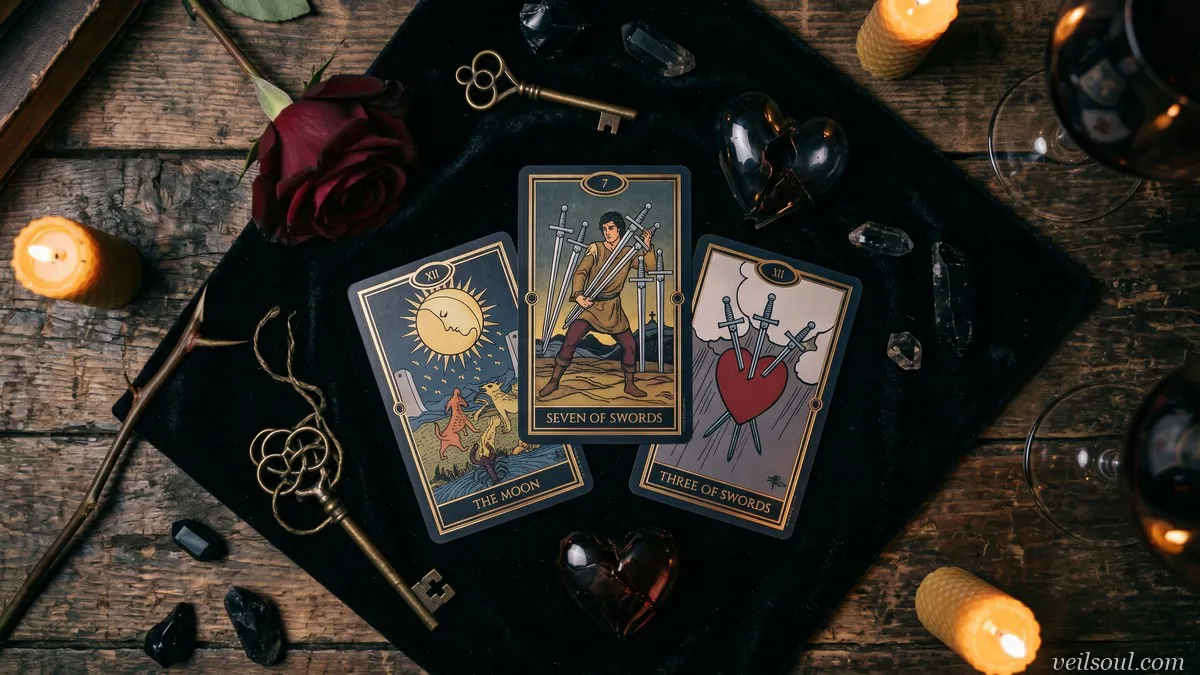
The following cards most frequently appear in readings where dishonesty or betrayal is a central theme. Each carries specific visual and symbolic cues from the Rider-Waite-Smith tradition that point to secrecy, deception, or broken trust.
- Seven of Swords: The quintessential card of deception. The RWS image shows a figure sneaking away from a camp carrying five swords, leaving two behind — someone taking what is not theirs and hoping not to get caught. In love readings, this card almost always points to dishonesty, whether that is outright infidelity, emotional affairs, or a partner hiding significant information.
- The Moon: Two towers frame a winding path under a full moon, while a crayfish emerges from murky waters. This is the card of illusion, hidden truths, and things not being what they seem. In relationship readings, The Moon suggests someone is not showing their true face — or that you are sensing something beneath the surface that has not yet come to light.
- Three of Swords: A heart pierced by three swords against a stormy sky. This card does not indicate cheating directly, but it is the emotional aftermath — heartbreak, betrayal pain, and the grief that comes when trust is shattered. Its appearance often confirms that emotional damage has already occurred.
- The Devil: Two figures chained loosely to a pedestal beneath a horned figure — notice that the chains are loose enough to remove. In the context of infidelity, The Devil speaks to obsessive attachments, toxic bonds, and the seductive pull of something that feels irresistible but is ultimately destructive. It can indicate a partner trapped in a pattern they feel powerless to stop.
- Five of Cups: A cloaked figure mourns three spilled cups while two full cups stand behind them. This card appears when betrayal has led to profound grief — but it also gently reminds you that not everything is lost. There is still something worth salvaging, even if it is just your own sense of self.
- The Tower: Lightning strikes a tower, figures fall, and flames consume everything. When The Tower appears in a trust reading, it often signals a sudden revelation — the moment when hidden truths come crashing into the open. It is devastating, but also liberating. You cannot rebuild on a foundation of lies.
- Seven of Cups: A figure gazes at seven cups floating in clouds, each containing a different fantasy. In betrayal readings, this card can indicate a partner lost in fantasy or temptation — someone entertaining possibilities outside the relationship, even if they have not yet acted on them.
- Eight of Cups: A figure walks away from eight stacked cups under a crescent moon. This card suggests emotional abandonment — someone who has already checked out of the relationship emotionally, even if they have not physically left. Sometimes the betrayal is not another person but the slow, silent withdrawal of presence and care.
"I once read for a woman who pulled the Seven of Swords, The Moon, and the Three of Swords in a relationship spread. She was convinced it meant her husband was having an affair. But as we explored the reading together, a different truth emerged — he had been hiding a serious gambling debt, terrified she would leave if she knew. The deception was real, but the nature of it was not what she expected. This is why I always encourage clients to let the cards tell their story before jumping to conclusions."
Card Combinations That Strengthen the Warning
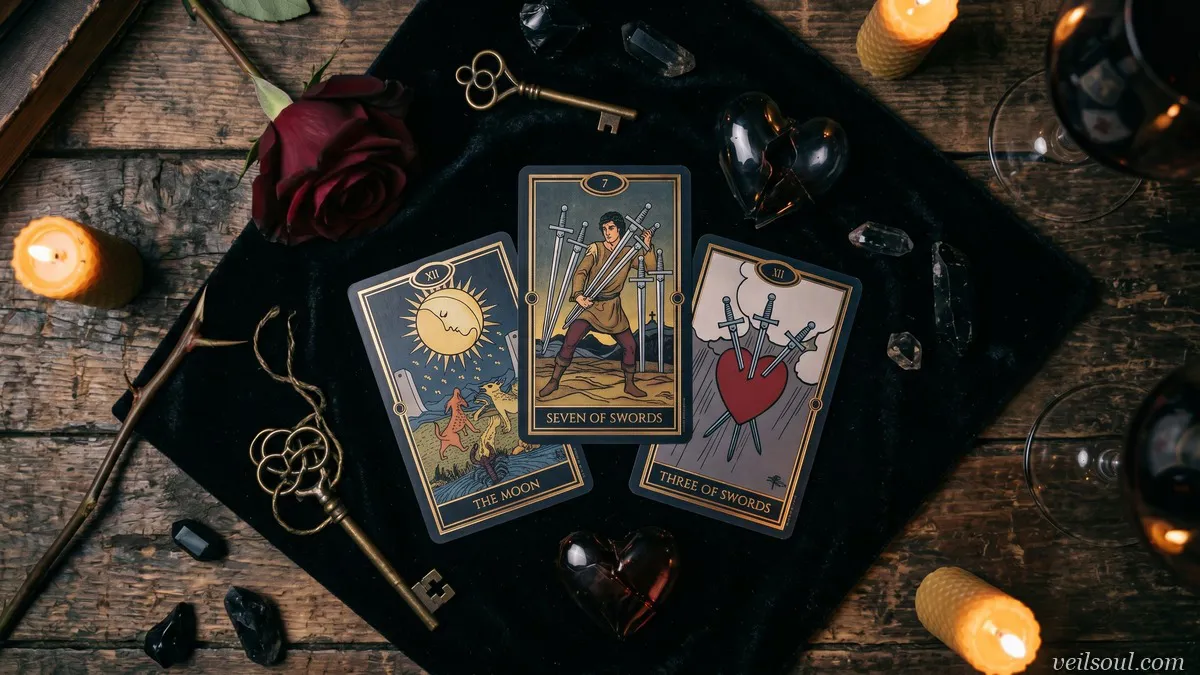
Individual cards suggest possibility, but specific combinations create a pattern that is harder to dismiss. When two or more of the following pairings appear together, pay close attention to the story they are telling.
The Most Telling Combinations
Seven of Swords + The Moon: This is the strongest indication of active deception in tarot. One card steals, the other hides — together they paint a picture of someone deliberately concealing the truth. In love readings, this pairing rarely has an innocent explanation.
The Devil + Seven of Swords: Compulsive dishonesty — a partner who may be caught in a pattern of betrayal that they feel unable to break. This combination often appears when infidelity is habitual rather than a one-time mistake.
The Tower + Three of Swords: A devastating revelation that causes heartbreak. If you pull this combination when asking about trust, prepare yourself for a truth that will be painful but ultimately necessary.
The Moon + Knight of Cups reversed: Empty romantic promises from someone whose charm masks insincerity. The Knight of Cups reversed is the smooth talker who says everything you want to hear while doing something else entirely.
Seven of Cups + Page of Cups reversed: Emotional immaturity combined with fantasy — someone who is not ready for commitment and may be entertaining other options without the self-awareness to recognize the harm they are causing.
Reversed Cards and Hidden Truths
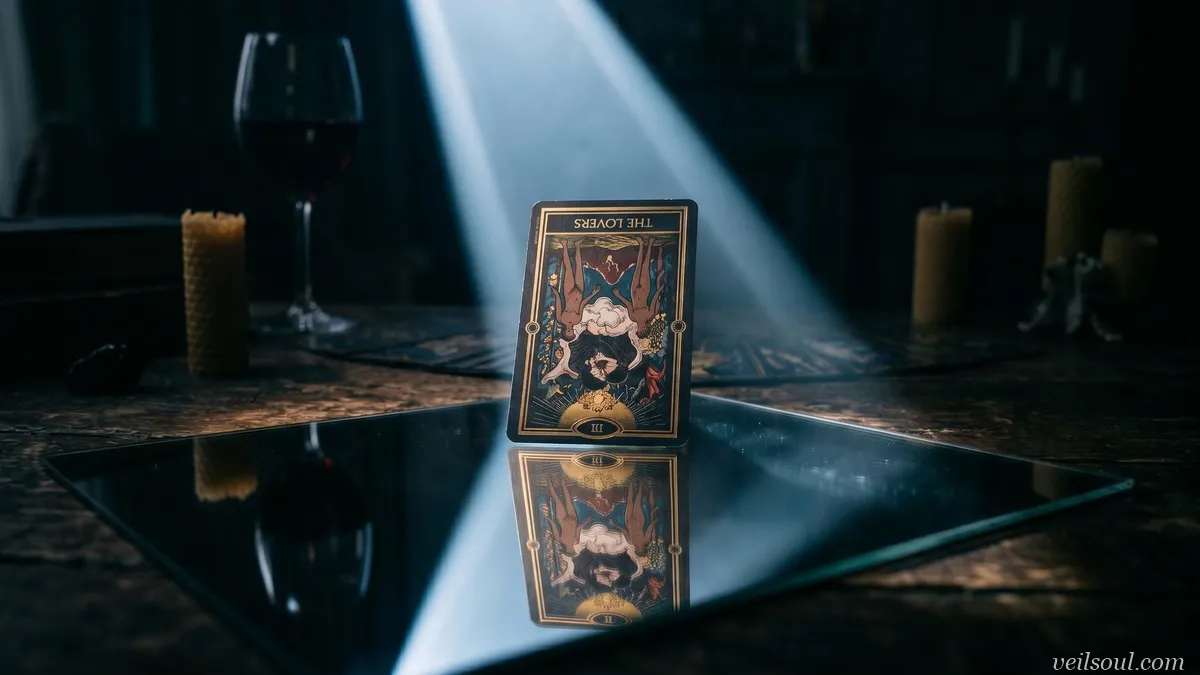
Reversed cards in a trust reading often amplify the theme of concealment — what is hidden, denied, or suppressed. Pay particular attention to reversals of cards that are normally positive in love readings.
When The Lovers appears reversed in a trust reading, it can signal a fundamental misalignment in values or a choice being made that betrays the relationship. The RWS image shows Raphael blessing the union between two figures — reversed, that blessing feels withdrawn, and the choice being made may not honor the partnership.
The Two of Cups reversed is equally significant. Upright, it is one of the most beautiful cards for mutual love and soul-level connection. Reversed, it suggests that bond is breaking down — emotional reciprocity has been disrupted, and one partner may be directing their emotional energy elsewhere.
As noted in the traditional Rider-Waite-Smith interpretation, the Ace of Cups reversed can indicate emotional blockages or love being offered but not received — in a betrayal context, it may mean one partner's heart is simply no longer in the relationship.
A Clarity Spread for Trust Concerns
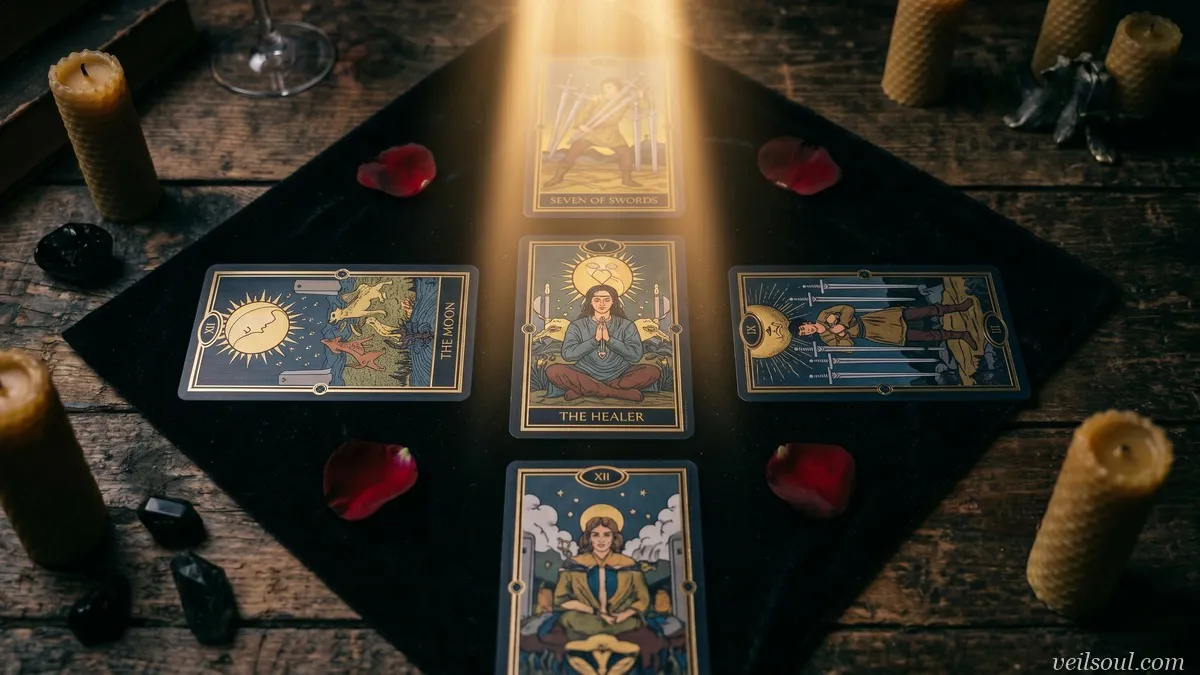
When trust feels shaky, this five-card spread can help you gain clarity without spiraling into paranoia. The goal is not to "catch" anyone — it is to understand your own emotional truth and what you need.
- Position 1 — What I Know: The facts and feelings you can trust right now. If The Star appears here, your intuition is clear and trustworthy.
- Position 2 — What Is Hidden: What has not yet come to light. This is where deception cards carry the most weight.
- Position 3 — My Partner's Energy: Their emotional state and intentions — not a verdict, but a window into where they are.
- Position 4 — What I Need to Accept: The truth that will serve you, even if it is uncomfortable.
- Position 5 — My Best Path Forward: Guidance for your next step, regardless of what the other cards reveal.
"A client once used this spread during a period of intense suspicion about her partner. Position 2 — What Is Hidden — revealed the Four of Cups, and Position 3 showed the Six of Cups. The reading was not about infidelity at all — her partner was emotionally withdrawn because they were processing unresolved grief from their past. The spread gave her the clarity to approach her partner with compassion rather than accusation, and it saved their relationship."
For more relationship spreads, explore our comprehensive guide to love tarot spreads.
What to Do When These Cards Appear
Finding betrayal indicators in a tarot reading can feel like the ground has shifted beneath you. The most important thing is to pause, breathe, and resist the urge to act impulsively on a single reading.
Step 1: Sit With the Reading
Do not confront your partner with tarot cards as evidence. Instead, journal about what came up, what you felt, and what resonated as true versus what your anxiety might be amplifying.
Step 2: Look for Patterns, Not Proof
One reading is a snapshot. If the same cards appear across multiple readings over weeks, the pattern becomes harder to dismiss. But a single Seven of Swords does not convict anyone.
Step 3: Focus on What You Can Control
Tarot cannot give you certainty about another person's actions. What it can do is clarify your own feelings, boundaries, and needs. Ask yourself: regardless of what my partner is or is not doing, what do I need to feel safe and respected in this relationship?
Step 4: Seek Support
If trust has eroded to the point where you are turning to tarot for surveillance, consider speaking with a therapist or counselor. This is not a weakness — it is wisdom. Tarot illuminates; professionals help you navigate.
If you are also exploring how to recognize warning signs of toxic relationships in tarot, that guide offers a broader framework for understanding unhealthy dynamics.
Frequently Asked Questions
Can tarot really tell if someone is cheating?
Tarot cannot provide objective proof of infidelity. What it can do is reflect energetic patterns — secrecy, emotional disconnection, deception — that may indicate dishonesty in a relationship. The cards reveal tendencies and dynamics, not courtroom evidence. Always pair tarot insight with honest conversation and, when needed, professional support.
What is the number one cheating card in tarot?
The Seven of Swords is most commonly associated with cheating and dishonesty in tarot readings. Its RWS imagery — a figure sneaking away with stolen swords — directly symbolizes deception and taking something that does not belong to you. However, even this card can have non-infidelity meanings, such as strategic thinking or self-protection.
Should I do a tarot reading specifically to check if my partner is faithful?
Approaching tarot from a place of suspicion and surveillance rarely produces helpful results. Your emotional state influences the reading, and fear can color your interpretations. Instead, ask broader questions about the health of your relationship dynamic. If trust has broken down enough that you feel you need to "check" on your partner through tarot, that itself is important information about where your relationship stands.
What if I keep pulling the Seven of Swords in every love reading?
Recurring cards demand attention. If the Seven of Swords appears consistently across multiple readings, the universe is asking you to examine dishonesty in your relationship — and that dishonesty might not always be coming from your partner. Sometimes we pull this card repeatedly when we are being dishonest with ourselves about what we already know. For guidance on reading recurring themes, see our article on how to read tarot for your relationship.
Your Truth Is Worth Knowing
The hardest part of suspecting betrayal is not the fear of being right — it is the loneliness of sitting with uncertainty. Tarot cannot eliminate that uncertainty entirely, but it can help you trust yourself again. The fact that you sensed something, that you cared enough to seek clarity, that you are reading this right now — that is not paranoia. That is your intuition asking to be heard.
Whatever the cards reveal, remember this: your worth is not determined by someone else's choices. You deserve honesty. You deserve transparency. And you deserve a love that does not require you to become a detective to feel safe.
Your Next Step: If you are navigating difficult relationship questions, try a free love reading on Veil Soul for personalized guidance, or explore our complete guide to love tarot spreads for more ways to find clarity.
chat_bubble 0 Comments
Leave a Comment